Welted, Blake, Goodyear: A Plain-English Guide to How Your Shoes Are Actually Held Together
Three construction methods account for most of the leather shoes worth buying. Knowing the difference can save you £300, or a ruined pair in a wet November.
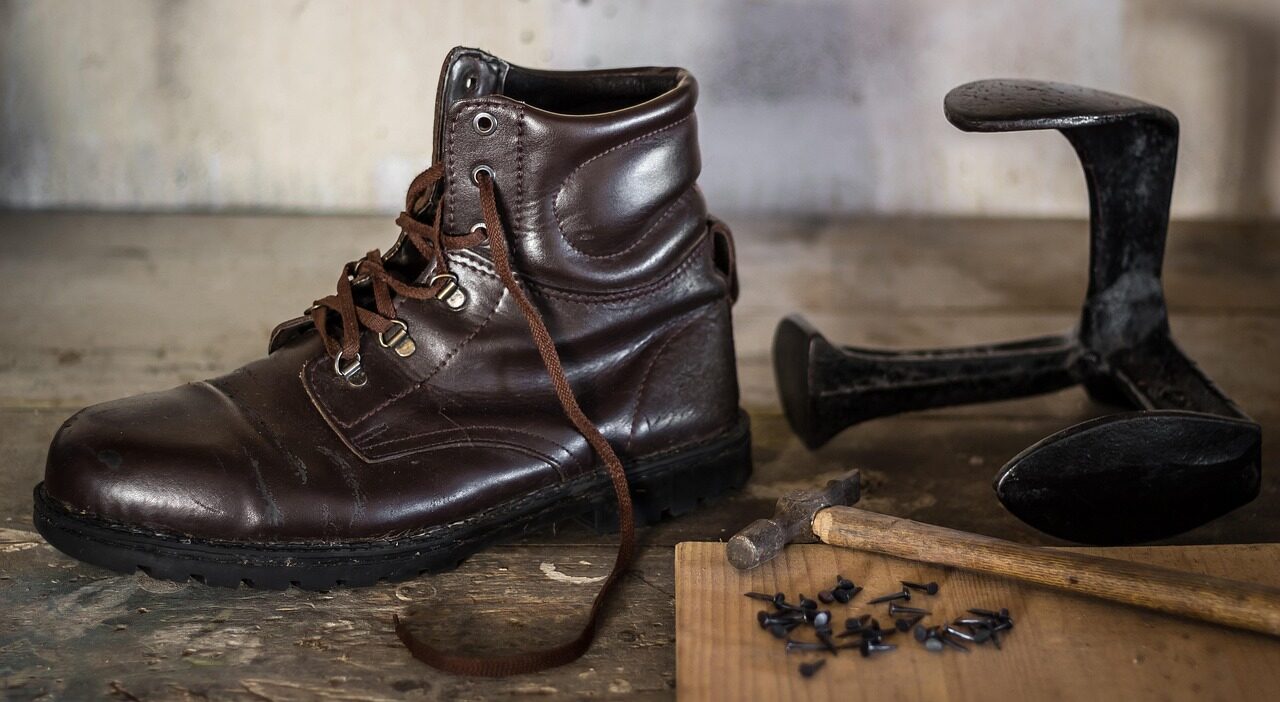
Above: Photo: D_V_Rensburg / Pixabay.
Walk into any good shoe shop and an assistant will, sooner or later, say the word “Goodyear” with the reverence usually reserved for vintage Bordeaux. Few customers ask what it means. This is a pity, because the way a shoe is held together decides how long it lasts, how it feels in the first month and whether a cobbler can ever make it new again.
Here is what you are actually paying for.
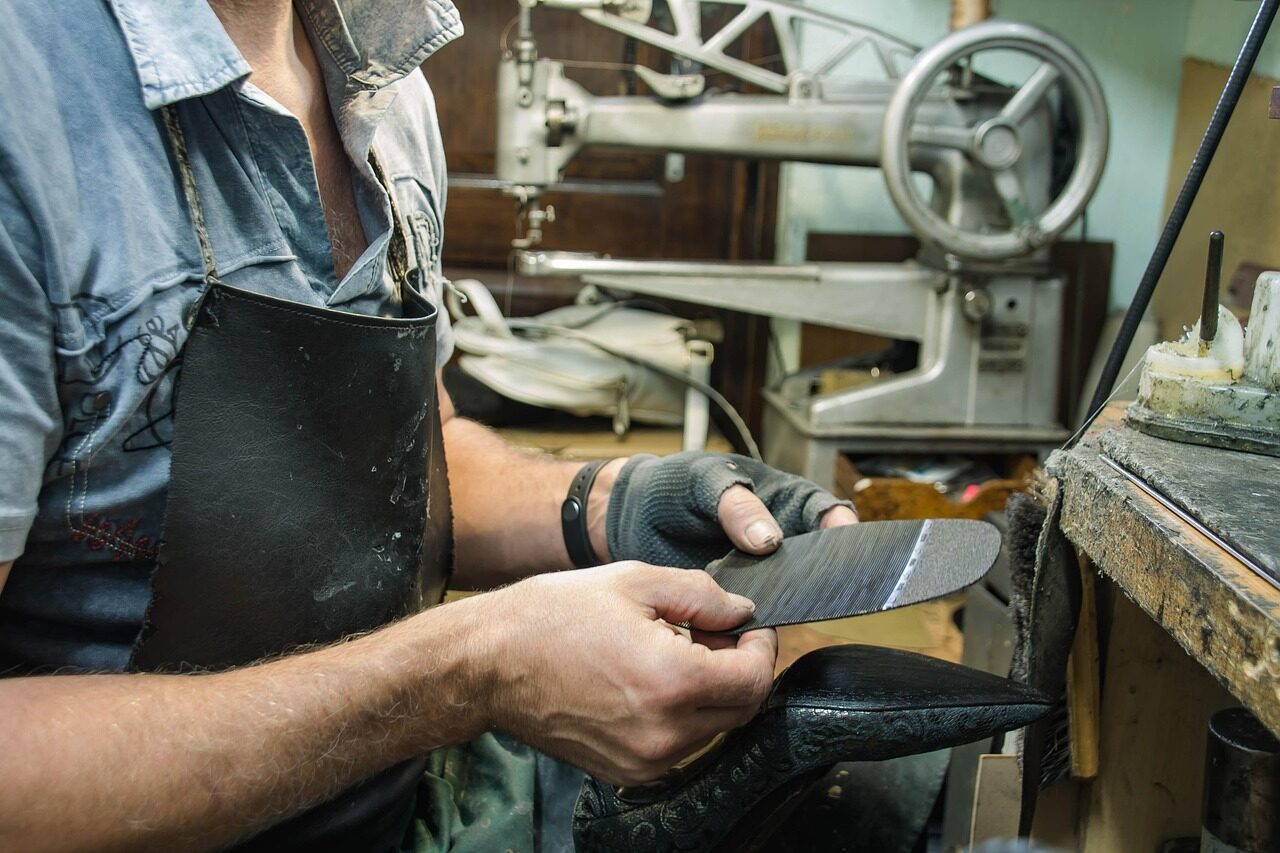
Above: Photo: GermansLat / Pixabay.
Blake: the slim one
The Blake stitch is the oldest of the three in its modern form, patented in the United States in 1856. A single seam passes through the insole, the upper and the outsole at once, joining all three from inside the shoe.
The benefits are real. With no welt, the sole sits close to the upper, producing the slender, almost dressy profile that Italian makers favour. Blake shoes are also flexible from the first wear, needing little of the break-in that stiffer shoes demand.
The drawback is water. Because the stitching runs through the insole, damp can follow the thread inward. “A Blake shoe is a dry-day shoe,” says Rosalind Pemberwick, head of repairs at Pemberwick & Pym, a cobbler with three branches in Leeds. “In February in Yorkshire, I would not send a client out in one without a rubber half-sole.” Resoling is possible, but only by a specialist with the right machine, and typically only once or twice.
Goodyear: the sturdy one
The Goodyear welt, developed in the 1860s, adds a strip of leather, the welt, stitched around the edge of the upper to a rib of material glued to the insole. The outsole is then stitched to the welt, not to the shoe itself.
This separation is the point. A cobbler can remove the worn sole, replace it and leave the upper and insole untouched. A well-made pair can be resoled four or five times, and a cork filling between insole and sole moulds gradually to the foot.
The cost is bulk and a breaking-in period of perhaps ten to fifteen wears. Goodyear shoes are also heavier, by roughly 80 to 120 grams a pair, and the thicker edge looks more robust than refined. For a winter commute across wet pavement, most cobblers would choose it without hesitation.
Prices start around £280 for reputable factory-made pairs and climb steeply. A resole usually runs £60 to £90, a fraction of replacement cost.
Hand-welted: the expensive one
Hand-welting follows the same logic as Goodyear but replaces the machine-glued rib with a channel cut directly into the insole, through which the welt is stitched by hand. No adhesive holds the foundation together, and no machine limits where the maker can cut corners or, more happily, add refinement.
The result is a shoe that is lighter, more supple and, when new, more elegant than the factory equivalent. It is also considerably dearer. Hand-welted pairs from established British and Spanish makers rarely cost under £700, and some run to £1,500.
“The machine is not the enemy. But a man with an awl will find a flaw a machine would simply stitch over.”
The quote belongs to Clement Ifediora-Hesling, a last-maker in Northamptonshire with four decades at the bench, who is wary of mythologising the hand-made. “Plenty of poor hand-welted shoes exist,” he says. “Construction is a floor, not a ceiling.”
How to tell what you have
A few quick checks will usually settle it:
- Look at the edge. A visible stitch running around the outer edge of the sole, set into a thin groove, suggests a Blake or a stitched-down construction. A visible stitch on top of a welt strip suggests Goodyear or hand-welted.
- Peel back the insole. If you can feel a ridge of thread under the lining, it is likely Blake.
- Check the label. Honest makers state construction. Vague phrases such as “stitched sole” tend to hide something cheaper, usually cemented.
So which one?
For a single pair of dark brown or black lace-ups meant to survive British weather for a decade, choose Goodyear. For a summer loafer or an evening shoe worn from taxi to table, Blake is a pleasure. For a milestone purchase, a first job or a thirtieth birthday, hand-welted is worth considering, provided the budget does not strip other essentials from the wardrobe.
Avoid, above all, the cemented shoe dressed up as something grander. It will look fine for a year. By the second winter, the sole will begin to part from the upper, and no cobbler on earth will be able to help.
Tabitha covers everyday menswear, footwear and the dress codes of modern offices, and previously worked on a regional fashion magazine. She is based in Bristol.
More from TabithaThe Sunday Shine
One letter every Sunday morning: the week in men’s style, the dress code for the days ahead, and one pair of shoes worth polishing.
Correspondence
Opening the post…