The Case for the Overshirt: Menswear’s Most Underrated Layer
Neither jacket nor shirt, the overshirt has quietly become the workhorse of the smart-casual wardrobe. Here is why it earns its hanger.
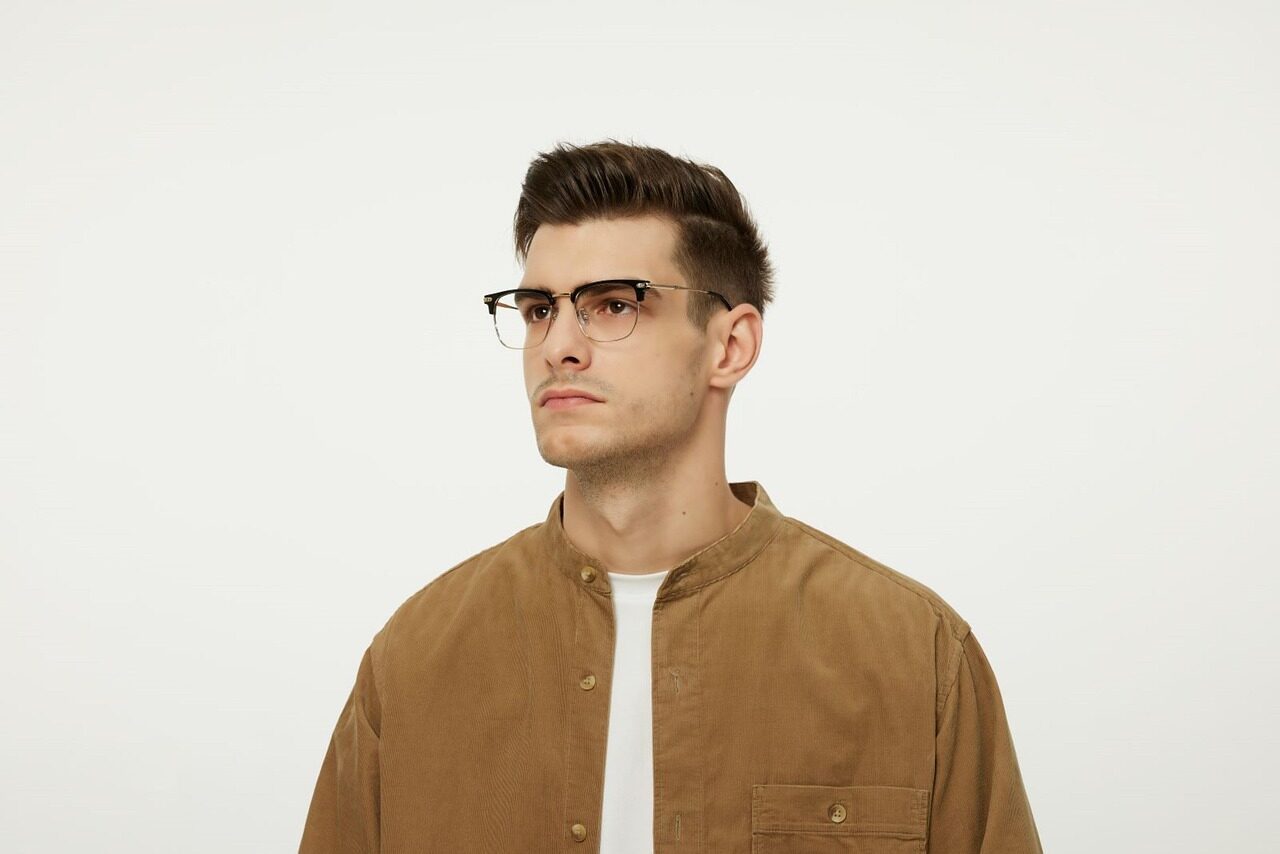
Above: Photo: GlassesShop / Pixabay.
I own eleven jackets and wear one. That one is not a jacket at all. It is a heavy cotton overshirt in a shade the maker calls “tobacco”, bought two winters ago for £145, and it has been to Lisbon, Edinburgh, a wedding in Hertfordshire and, on one regrettable occasion, a muddy field. It has outlasted three coats and a brief flirtation with a gilet.
The overshirt, the item that sits between shirt and jacket, deserves better than its reputation as a fashion afterthought. It is the most useful garment a man can own, and November is the month to prove it.

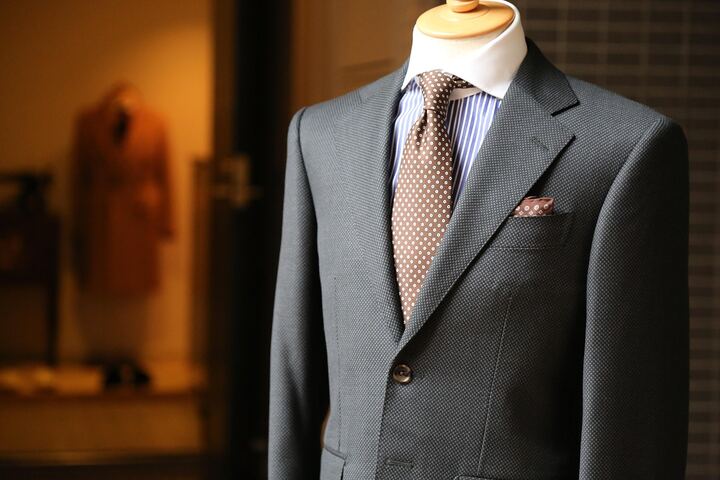
Above: Photo: 12019 / Pixabay.
The problem it solves
Most men’s wardrobes suffer a gap between the shirt and the coat. A blazer is too formal for a Saturday. A hoodie is too slouchy for dinner. A fleece belongs on a hillside. The overshirt, with its heavier cloth, chest pockets and structured collar, handles all of it. Wear it open over a tee, buttoned over a knit, or as a light jacket over a shirt and tie in an office where the dress code is vague.
The numbers back this up. The retail analyst firm Kestlewick Insight reports that overshirt sales in the UK grew 29 per cent in the twelve months to September, outpacing jackets, knitwear and trousers. Search interest peaks, tellingly, in the shoulder seasons of March and October, when no one knows what to wear.
What makes a good one
Quality varies wildly. Skip the thin, shirt-weight imposters and look for the following:
- Fabric of 10 to 14 ounces: moleskin, brushed twill, wool-blend or heavy cotton drill.
- A collar stiff enough to stand, with no floppy roll.
- Two chest pockets with flaps that actually close.
- A hem that sits at mid-hip, long enough to cover the belt but short enough to avoid a nightshirt silhouette.
Fit matters more than label. The shoulders should sit at the shoulder bone, and the body should skim, not cling. A size up from your shirt size is typical, because you will layer under it.
Colour and context
The overshirt flatters earth tones: olive, rust, navy, charcoal, a deep brown. These pair with almost anything and hide the grime that heavy-use garments inevitably collect. Avoid loud checks in anything lumberjack. The goal is quiet competence, not costume.
Brands from Porto to Portland have taken notice. Hallibrand & Rue, a small label in Leeds, sells its waxed-cotton version for £210 and says it sold out in nine days last autumn. At the cheaper end, high-street chains now stock acceptable options under £60, though the cloth rarely survives more than a couple of seasons.
“The overshirt is the only jacket I’ve never regretted buying.”
The objection
Critics argue that the overshirt is simply a thick shirt, and therefore dull. They are correct, and that’s the point. In a market that rewards novelty, the overshirt’s virtue is that it asks nothing of you. It does not demand a new shoe or a certain haircut. It is also forgiving of weather: too warm and you tie it round your waist, too cold and you wear a coat on top.
There is a larger principle here. Good style is largely about solving problems rather than announcing yourself, and the overshirt solves several at once. It extends the life of your tees. It softens a sharp trouser. It lets a man look intentional on a Sunday without trying.
I will be buying a second one this month, in navy. My wife says it will be indistinguishable from the first. She is right. That, again, is the point.
Tabitha covers everyday menswear, footwear and the dress codes of modern offices, and previously worked on a regional fashion magazine. She is based in Bristol.
More from TabithaThe Sunday Shine
One letter every Sunday morning: the week in men’s style, the dress code for the days ahead, and one pair of shoes worth polishing.
Correspondence
Opening the post…