The Resoleable Revolution: Inside Northampton’s Fight for the Long-Life Shoe
As consumers tire of disposable footwear, a handful of English factories are building shoes meant to be rebuilt three times. The economics are harder than the marketing suggests.
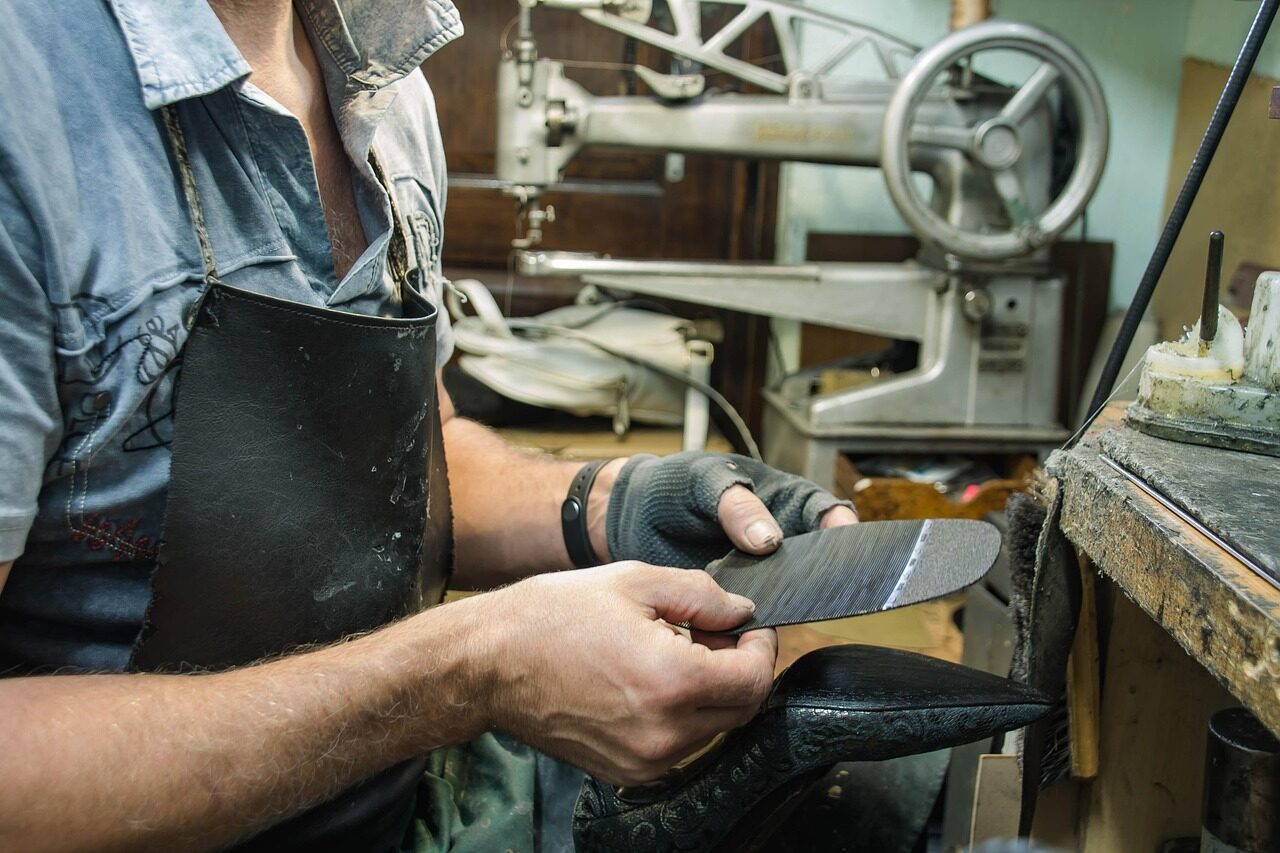
Above: Photo: GermansLat / Pixabay.
The last on Cedric Stanwix’s bench is older than he is. Carved from beech in 1962, it has shaped, by his estimate, 40,000 pairs of men’s brogues at Stanwix & Daughters, a factory in Northampton that employs 61 people and has survived two recessions, a pandemic and the arrival of cheap imports by the container-load.
“We’re not in the shoe business,” says Stanwix, 67, running a thumb along the welt of a half-finished derby. “We’re in the second-and-third-pair business.”
He means that a Goodyear-welted shoe, stitched to a strip of leather rather than glued, can be resoled again and again. A well-kept pair of his £385 oxfords, he says, will survive 15 to 20 years and three resolings. The model has long been the pride of English shoemaking. It is now, for the first time in a generation, a selling point.
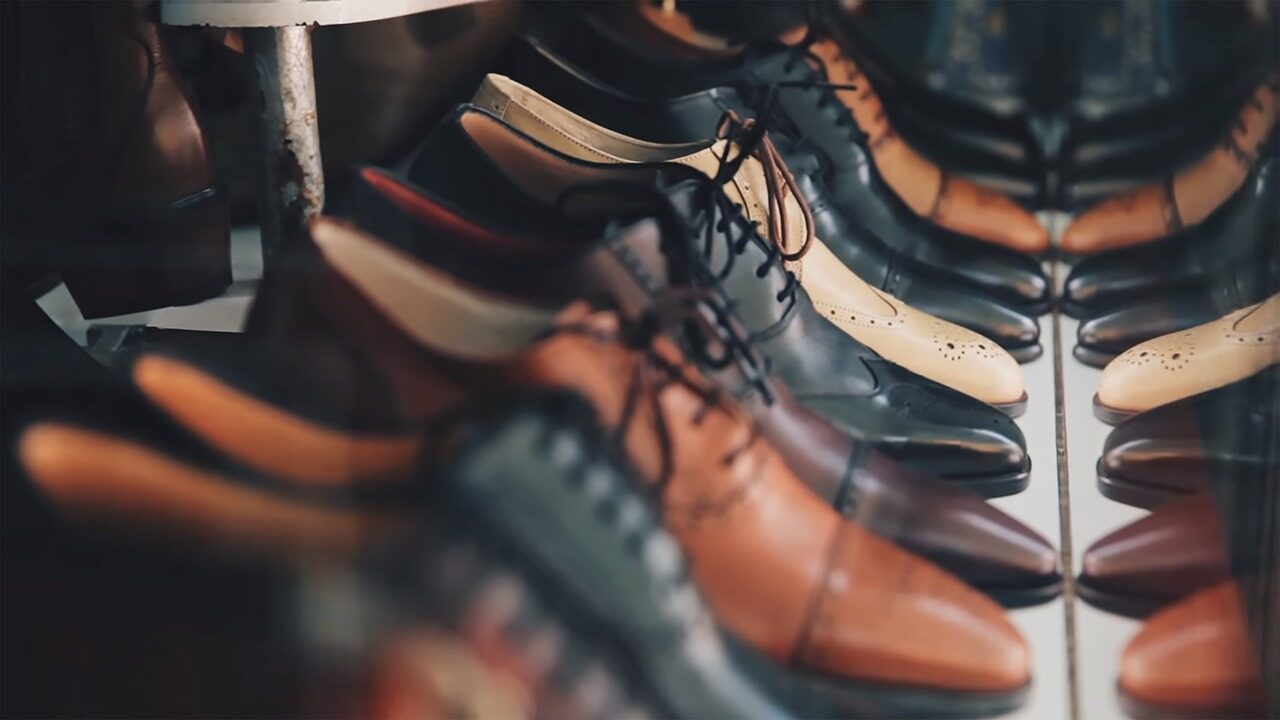
Above: Photo: Pexels / Pixabay.
A town rebuilt around the last
Northampton once counted more than 1,500 shoemakers. Today the figure is closer to 25 factories of any size, according to the trade body Footwear Heritage Council. Yet orders for welted shoes are rising. Stanwix & Daughters booked 22 per cent more pairs in the year to September than the year before, and has a waiting list for its made-to-order line.
The demand has an unlikely driver: spreadsheets. Younger buyers have begun calculating cost per wear. A £90 glued sneaker, worn daily, lasts perhaps 14 months. A £385 welted boot lasting 15 years works out at under 8p a day.
“People used to see leather shoes as a luxury,” says Lettice Brunskill, who runs a resoling workshop, Heel & Sole Atelier, in a converted chapel in Kettering. “Now they see them as the economical choice. That’s a remarkable reversal.”
Her business has grown to 14 staff and handles roughly 300 pairs a week, up from 90 in 2022. She sends back many with a note on how to extend life further.
The hard arithmetic
But longevity is a difficult business model. A shoe that lasts two decades is, by definition, bought rarely. Stanwix’s margins are thin: leather from French and Italian tanneries has climbed roughly 18 per cent since 2023, and energy costs remain stubborn. A full resole costs customers around £120, but the factory’s recrafting service loses money on small orders.
To compensate, several houses are restructuring. Some now sell resole plans at the time of purchase. Others have launched a rental-style subscription for dress shoes, a gambit Stanwix views with scepticism. “A shoe is a relationship,” he says. “You don’t rent a relationship.”
There’s also the matter of skills. The average age of a clicker, the craftsperson who cuts the upper leather, in the town is 54. Stanwix & Daughters runs an apprenticeship that takes three years to produce a competent closer and five for a good lastmaker. Of the last eight intakes, five stayed.
“We can build a shoe to last 20 years. We can’t build a workforce that quickly.” — Cedric Stanwix
What buyers should look for
For the consumer navigating a market full of the word “heritage”, a few markers separate the genuine article:
- Welt construction, visible as a stitched seam around the sole edge.
- Full-grain upper leather rather than corrected grain, which cracks sooner.
- A leather or high-quality rubber sole that can be replaced without destroying the upper.
- A maker or retailer that offers resoling.
Care matters as much as construction. Brunskill recommends rotating pairs so that each rests at least 24 hours, using cedar trees, and polishing with a wax-based cream every ten wears or so. “Most shoes die of neglect, not use,” she says.
The trend may be small. England produces perhaps 4 million pairs a year against the 140 million it once did. But it is stable, and its customers are loyal. On the factory floor, Stanwix lifts the beech last, turns it in the light and puts it back on its shelf. “Somebody will want this when I’m gone,” he says. It sounds less like hope than inventory.
Fiifi tracks resale, retail discounting and the economics of luxury menswear, having started his career as a retail analyst. He is based in Manchester.
More from FiifiThe Sunday Shine
One letter every Sunday morning: the week in men’s style, the dress code for the days ahead, and one pair of shoes worth polishing.
Correspondence
Opening the post…