Chelsea, Chukka, Jodhpur: Choosing the Right Winter Ankle Boot
Three ankle boots do most of the work in a cold-weather wardrobe, but they are not interchangeable. A guide to which one suits which suit, which sole, and which sort of weather.
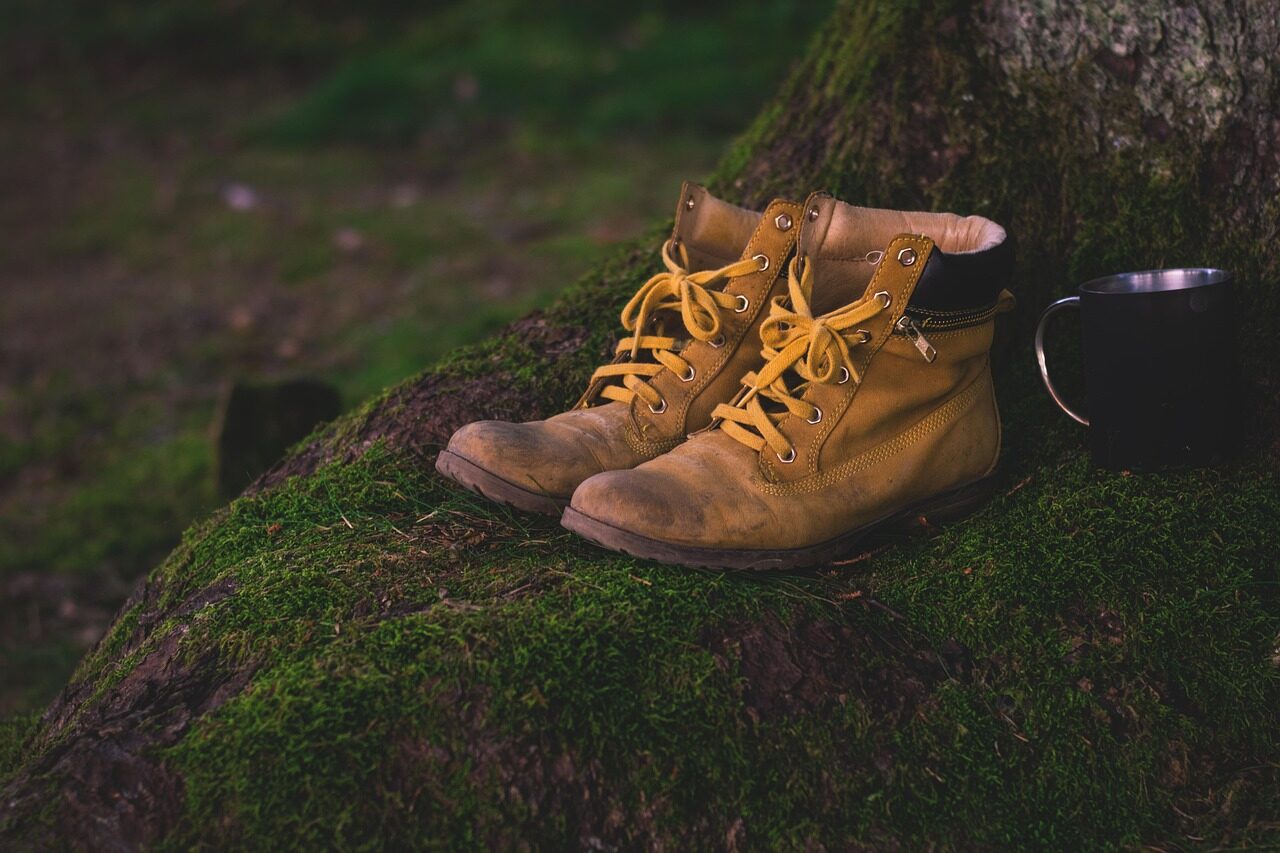
Above: Photo: LUM3N / Pixabay.
The ankle boot is the most versatile shoe a man can own between November and March, and also the one most often bought wrongly. Three silhouettes dominate: the Chelsea, the chukka and the jodhpur. Each has a distinct job.
“People treat them as one category,” says Benedikt Ostermeier, a bootmaker who runs a small workshop in Leeds. “They are three different answers to three different questions.”
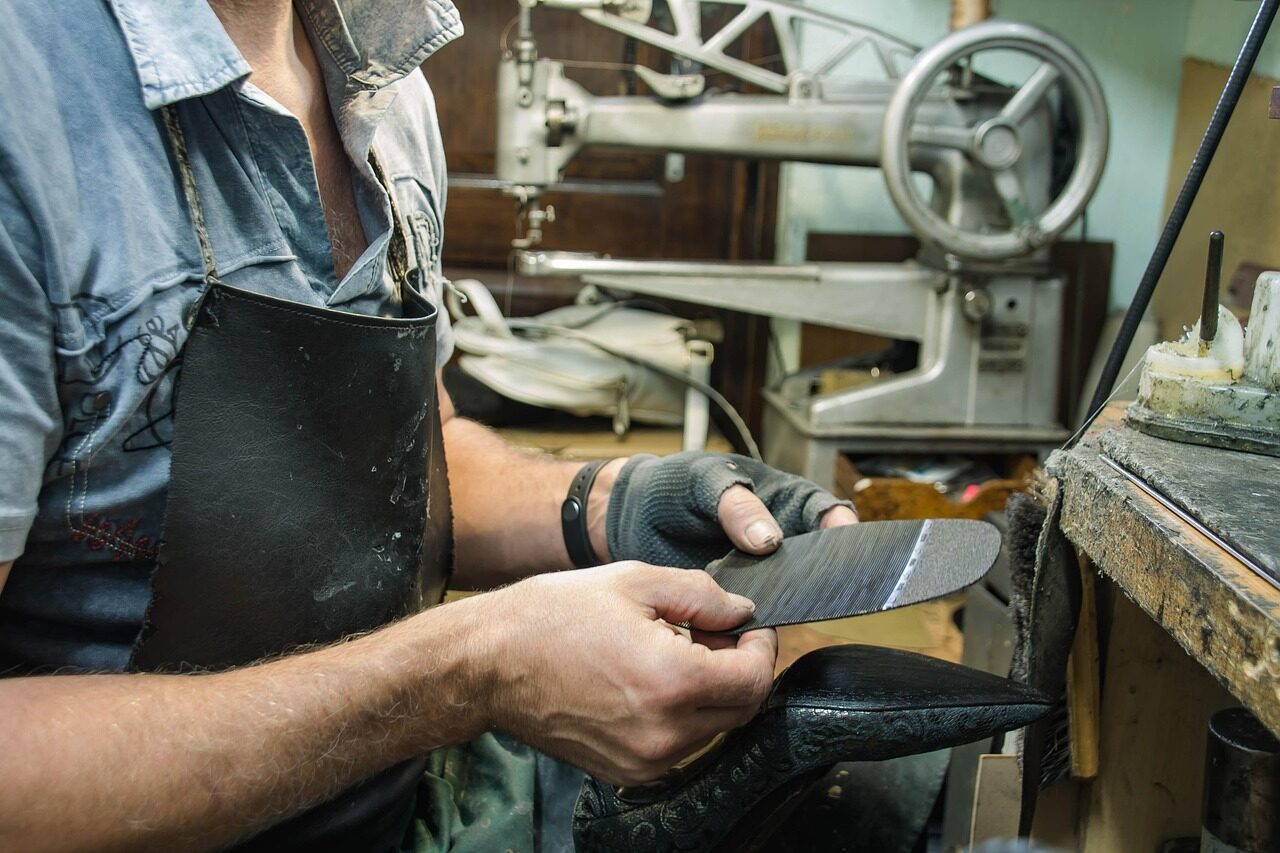
Above: Photo: GermansLat / Pixabay.
The Chelsea: the sharp one
Elastic gusset on each side, no laces, a clean line from toe to ankle. The Chelsea is the boot that works under a suit, and it has returned to offices in force as the dress sneaker retreats.
What to look for is restraint. A sleek last, a rounded or lightly almond toe and a leather sole or thin rubber half-sole will pair with trousers cut to a slight break. Avoid chunky lug soles if the boot is meant to be worn with tailoring; they read as casual no matter how good the leather.
Black calf is the default for city wear. Dark brown suede, however, is the quiet favourite among the stylists we spoke to. “Suede takes the edge off a navy suit,” says Ines Bramhall, a wardrobe consultant in Manchester. “Black calf makes it look like a uniform.”
The weakness is the elastic. The gusset typically fails before the leather does, usually after three to five years. A good cobbler will replace it for around £35 to £50. Ask before buying whether the maker offers the service.
The chukka: the easy one
Two or three eyelet pairs, open lacing, ankle height. The chukka is the boot for chinos, cords and heavy denim, and the one that carries a weekend. Desert-boot versions, with crepe soles, are lighter and softer but offer almost no protection from wet pavements.
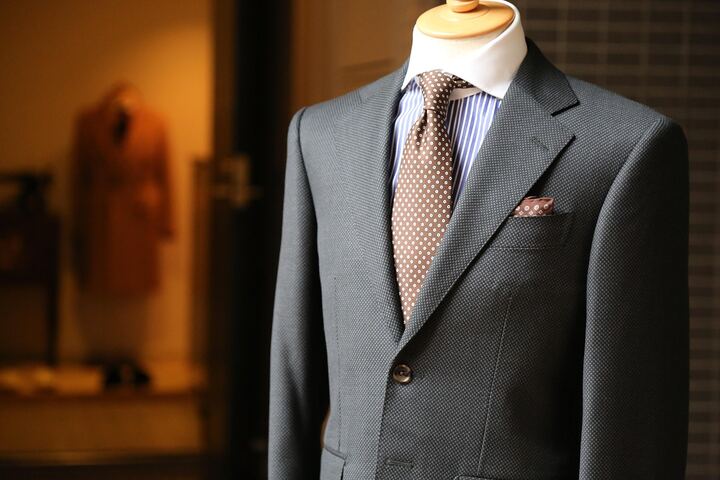
“A crepe sole is lovely until it rains,” Ostermeier says. “Then it behaves like a sponge.”
For genuine winter use, choose a chukka with a studded rubber sole or a Dainite-style sole, a pattern that grips wet stone without looking like a hiking boot. Expect to pay between £220 and £420 for a decent Goodyear-welted pair, which can be resoled up to three times.
“Three boots, three jobs. Buy the one that matches the job, not the one in the shop window.”
The jodhpur: the underrated one
Named for the riding breeches of northern India, the jodhpur boot ends just above the ankle and closes with a buckled strap across the instep, rather than laces or elastic. It is the most formal of the three when done in smooth calf, and the least common.
That rarity is the appeal. A dark brown jodhpur with a slim sole sits under a flannel suit with surprising ease, and it makes a wide-leg trouser look intentional. Bramhall says she has recommended it to roughly one client in ten. “They resist, then they wear it every day,” she says.
The drawback is fit. With no laces to adjust, a strap boot must fit the instep precisely. Try it on in the afternoon, when feet have swelled slightly, and walk the length of the shop twice.
Quick matching guide
- Navy or grey suit, office: black or dark brown Chelsea, leather sole.
- Flannel or tweed, weekend: brown suede chukka with a rubber sole.
- Wide-leg trousers, evening: brown calf jodhpur.
- Heavy rain: any of the above in waxed or storm-welted leather, never crepe.
Care, briefly
Salt is the real enemy. Winter pavements in British cities are treated with grit that leaves white tide-marks and dries the leather. Wipe boots with a damp cloth the same evening, let them dry naturally for 24 hours and insert cedar trees. Rotate pairs; leather needs a full day to release moisture.
Suede wants a brush and a protective spray before the first wear. Smooth leather wants cream, applied sparingly, every six to eight wears.
The broader point is that a single pair will not do. A man with a Chelsea for work and a chukka for weekends, spending around £600 in total, has covered nearly every cold-weather situation he is likely to meet. The jodhpur, Ostermeier says, is for the third winter, “when you have worked out what you like.”
Fiifi tracks resale, retail discounting and the economics of luxury menswear, having started his career as a retail analyst. He is based in Manchester.
More from FiifiThe Sunday Shine
One letter every Sunday morning: the week in men’s style, the dress code for the days ahead, and one pair of shoes worth polishing.
Correspondence
Opening the post…