The Pocket Square Is Back, and It Has Learned to Relax
Once a stiff, folded accessory, the pocket square is returning as a loose, deliberately casual flourish. What changed, and how to wear it.
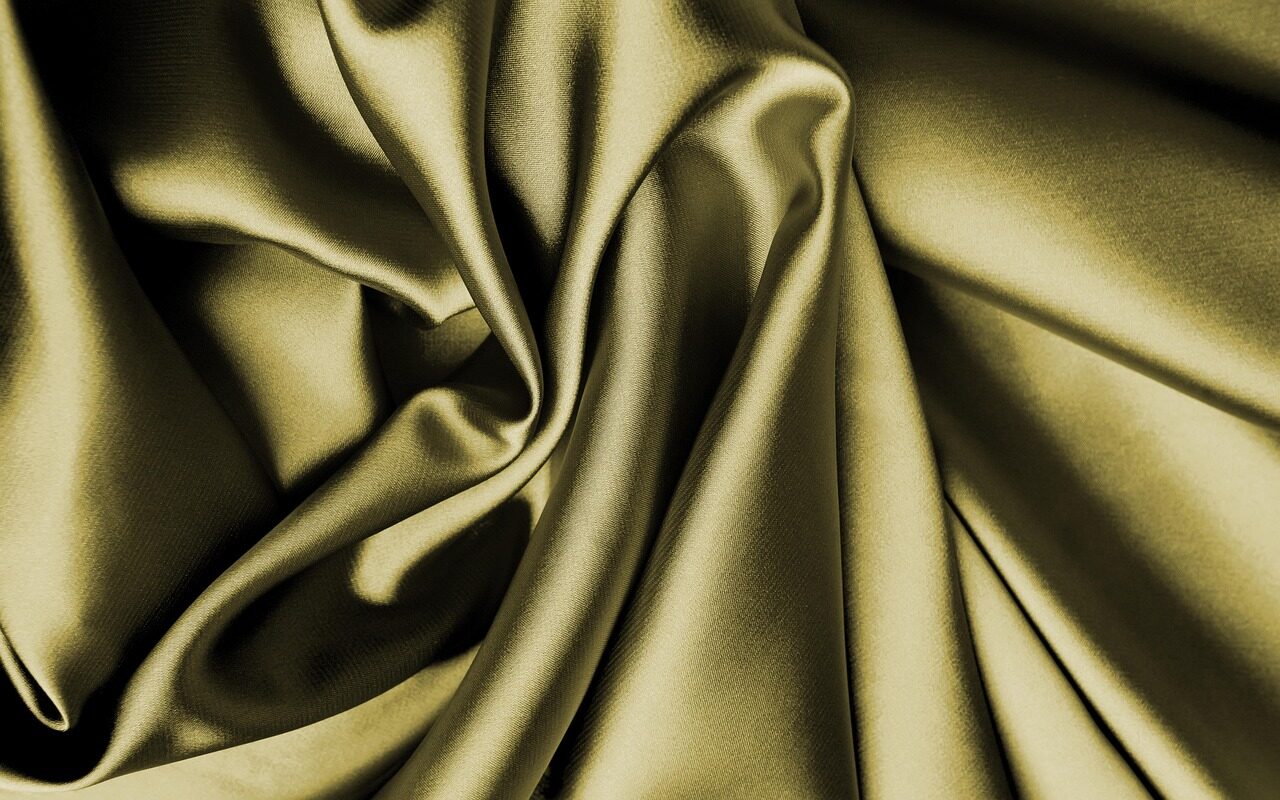
Above: Photo: FrankyFromGermany / Pixabay.
For years the pocket square suffered from a reputation problem. It was the preserve of the over-eager groomsman, folded into a precise white rectangle, pressed flat and jabbed into a breast pocket like a flag on a conquered hill. That image is dying. The new pocket square is rumpled, patterned and slightly careless, and it is selling.

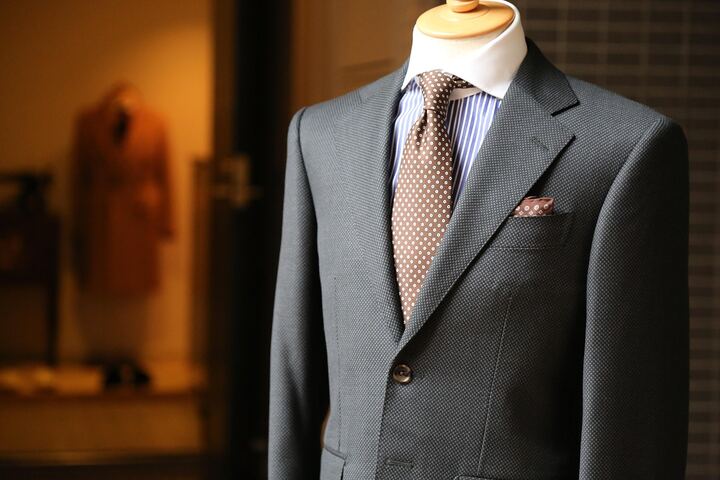
Above: Photo: Pexels / Pixabay.
The numbers
Sales of pocket squares at Finchley & Lowe, a London accessories house with six shops, rose 36 per cent in the year to October, with the biggest growth in knitted silk and printed linen. The firm’s creative director, Marieke Spoelstra, attributes it to a wider shift. “Men have stopped wearing ties,” she says. “The pocket square became the one place to add colour without effort.”
Prices range widely. A good hand-rolled silk square costs £40 to £90. Linen and cotton versions are available from £15. The most expensive, hand-printed in Como, can top £180.
The new rules
The old rule demanded a perfect fold. The new one demands the opposite: a loose “puff” that looks casually placed, as if you tucked it in while hurrying to the door. A few folds to know:
- The puff: Pinch the centre, let the points fall, tuck. It works with silk and cotton.
- The one-point: Fold in half diagonally and tuck with one corner showing. A neat option for formal settings.
- The straight fold: Reserved for white linen and weddings.
Don’t match your square to your tie. Pair it with something in the same colour family, or pick a shade that appears elsewhere in the outfit, such as the stripe in a shirt or the lining of the jacket.
Fabric matters
Silk shines and slips, which makes it elegant but difficult. Linen holds a fold and suits summer and spring. Wool and cashmere, a new favourite for autumn, give a soft, matte texture that sits well with flannel and tweed. Spoelstra says wool squares account for about one in five sales since September.
Pattern should be restrained. Small paisley, dots and micro-geometrics read as refined. Avoid anything with cartoon figures or sports logos, unless the occasion demands it.
“The point is to look as if you didn’t think about it, which takes quite a lot of thinking.” — Marieke Spoelstra
Beyond the suit
The pocket square no longer needs a jacket and tie. Tucked into an overshirt or a chore coat, it adds a hint of intent. Some men wear them knotted at the neck, as a neckerchief, or looped through a belt loop. That’s a stretch for most, but it shows how far the accessory has loosened.
Care is simple. Wash cotton and linen at 30 degrees. Silk should be dry-cleaned or hand-washed with a mild detergent and pressed on a low heat with a cloth between iron and fabric. Rolled edges are fragile, so avoid wringing.
What to buy first
If you own none, start with three: a white linen square for formal events, a navy silk with a small pattern, and a rust-coloured wool or cotton for autumn. That covers roughly nine out of ten occasions.
The pocket square will never be essential. No one has ever been turned away from a restaurant for omitting one. But as a cheap, quick way to make a plain jacket look considered, it’s hard to beat. Just don’t iron it.
Fiifi tracks resale, retail discounting and the economics of luxury menswear, having started his career as a retail analyst. He is based in Manchester.
More from FiifiThe Sunday Shine
One letter every Sunday morning: the week in men’s style, the dress code for the days ahead, and one pair of shoes worth polishing.
Correspondence
Opening the post…