Against the Capsule Wardrobe: In Defence of the Drawer of Mistakes
Minimalism promises clarity, but the best-dressed men tend to own a few strange, wonderful things they cannot explain. A columnist makes the case for clutter.
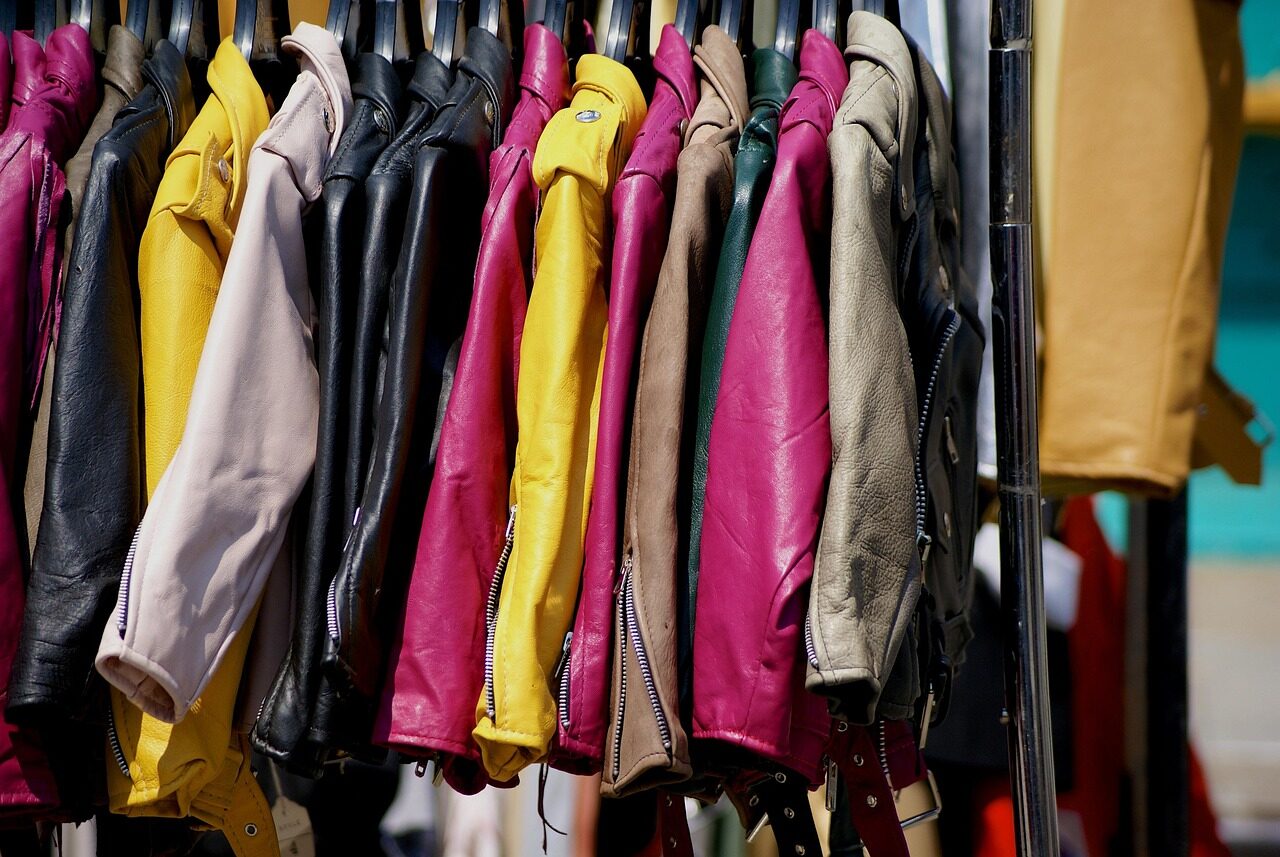
Above: Photo: rose_mcavoy / Pixabay.
There is a drawer in my flat that I will not open in front of guests. It holds a mustard corduroy waistcoat, a pair of tan driving gloves I have never driven in, a paisley cravat from a Lisbon flea market and a single cufflink in the shape of a small brass fish. None of it goes with anything. All of it makes me happy.
I mention this because we are living through the high church of the capsule wardrobe, the doctrine that a man should own thirty-three items, all in navy, grey and white, all interchangeable. The books sell well. The Instagram accounts are immaculate. And the men who follow them, I have noticed, look increasingly like the same man.
Above: Photo: FrankyFromGermany / Pixabay.
The tyranny of the neutral
I understand the appeal. The capsule promises that mornings will be effortless, that nothing will be wasted and that no garment will go unworn. In an age of fast fashion, with the average British man throwing away around 26 kilograms of clothing a year, it feels like moral hygiene.
But it also mistakes economy for style. Style is not the absence of error. It is the accumulation of decisions, many of them bad, from which a point of view slowly emerges. A man who has never bought a regrettable jacket has never learned what he likes.
The writer and former costume designer Cordelia Maitland-Reeve, who has dressed some 40 stage productions in London, puts it more sharply. “A wardrobe with no mistakes in it is a wardrobe with no history,” she told me. “I can tell a man’s whole life from what he cannot bring himself to throw away.”
“A wardrobe with no mistakes in it is a wardrobe with no history.”
What the drawer teaches
My fish cufflink was a mistake. I bought it at a market in Bermondsey for £4, convinced it would be a talking point. It was not. Nobody noticed it for two years. Then, at a wedding in 2023, a stranger in the lavatory queue remarked on it, and we talked for twenty minutes about his grandfather’s boat.
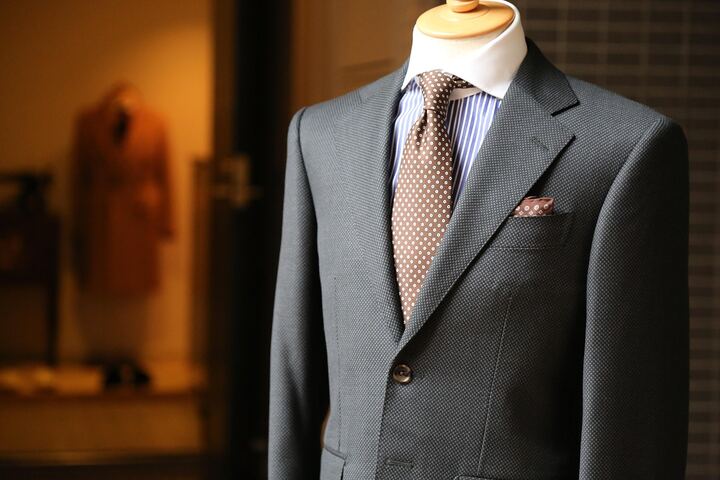
That is the usefulness of the odd object. It provides an opening. Navy and grey are reliable, but they do not start conversations. A little bit of brass, a loud lining, a vintage tie with a faded club crest, all do the work that charm used to do.
There is a practical argument too. The strange piece, worn once in a season, adds variety at a negligible cost to the budget. And the experiment tells you something. Of the dozen odd things I have bought in a decade, three became staples: a green knitted tie, a pair of dark suede loafers and a hat I now cannot imagine living without.
A defence of rules, loosely held
None of this is an argument for chaos. A good wardrobe still needs a spine, and I would be the last to deny the virtue of a well-cut navy suit, a plain white shirt and a pair of black oxfords. These are the grammar. The drawer is the poetry.
Some simple guidelines keep the clutter honest:
- Spend the bulk of your budget on the spine: coat, suit, shoes.
- Allow yourself one eccentric purchase for every ten sensible ones.
- Wear a strange thing at least three times before deciding it was a mistake.
- Never buy anything that makes you feel like someone else.
The case for keeping it
The tidy-minded will say that clutter is a burden, that a man is happier when he owns less, and there is truth in that. I own fewer things than I did at 30. But the objects I have kept are the ones with stories attached, and the stories, in the end, are what make a man look like himself.
So keep the waistcoat. Keep the gloves. Let the little brass fish stay where it is. The next time someone tells you that a wardrobe should be a closed system, a perfect, frictionless set of parts, ask them when they last laughed at what they were wearing. Then go and open the drawer.
Tabitha covers everyday menswear, footwear and the dress codes of modern offices, and previously worked on a regional fashion magazine. She is based in Bristol.
More from TabithaThe Sunday Shine
One letter every Sunday morning: the week in men’s style, the dress code for the days ahead, and one pair of shoes worth polishing.
Correspondence
Opening the post…