The Soft-Shoulder Revival: Why Savile Row’s Quiet Cut Is Winning Back the City
After a decade of sharp, padded armour, London’s tailors report a surge in orders for unstructured jackets with natural shoulders. Buyers under 40 are leading it.
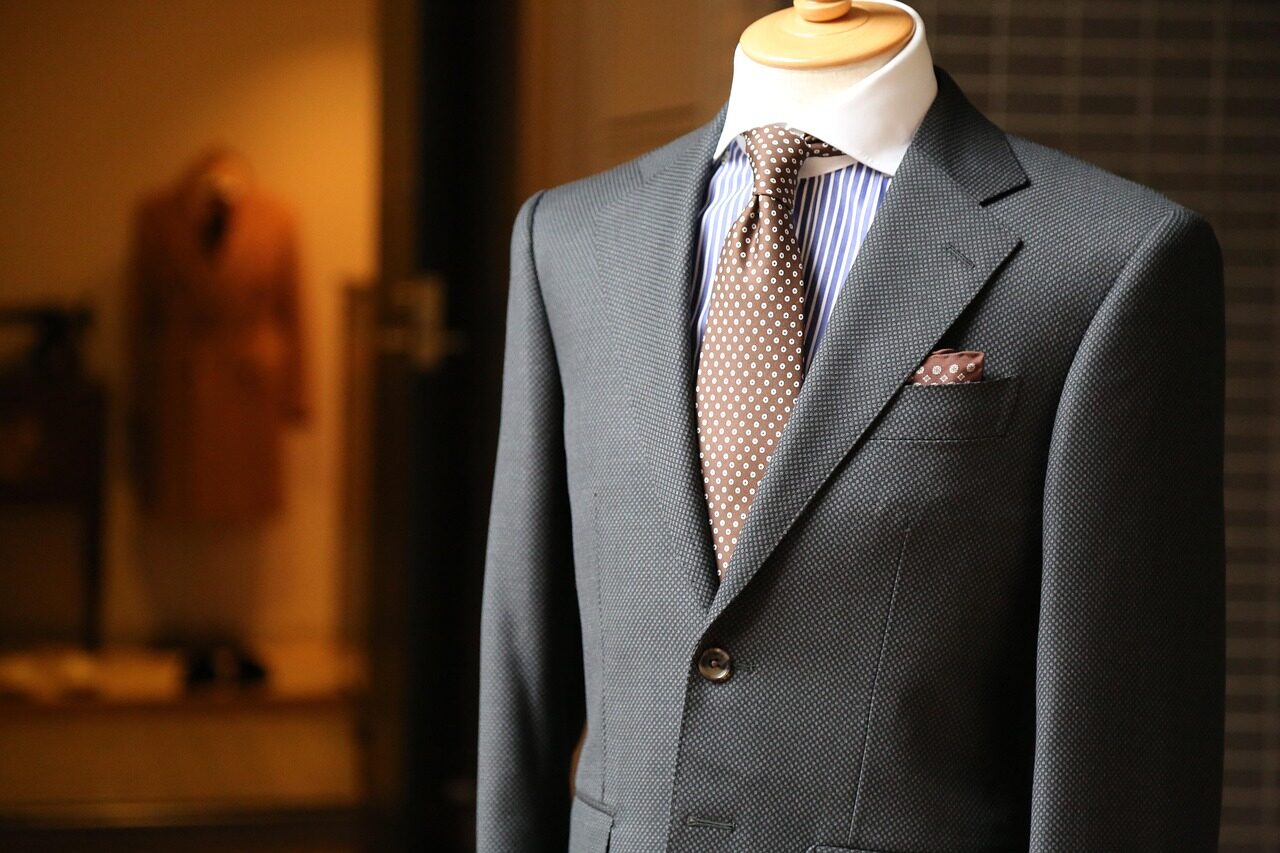
Above: Photo: matham315 / Pixabay.
On a wet Tuesday in November, the fitting room at Ostermeier & Lindenhurst, a four-storey workshop off Savile Row, smells of steam and chalk. A 34-year-old logistics consultant stands on a low box while a cutter pins the sleeve head of a charcoal flannel jacket. There is almost no padding in it. The shoulder falls the way the body does.
“Three years ago he’d have asked for more structure,” says Hugh Ashtead-Pryor, the firm’s head cutter. “Now he asks me to take it out.”
He is not alone. Ostermeier & Lindenhurst says unstructured and lightly structured jackets made up 58 per cent of its bespoke and made-to-measure commissions in the twelve months to October, up from 31 per cent in 2023. Three other houses contacted by Brogue described similar swings, ranging from 40 to 65 per cent.
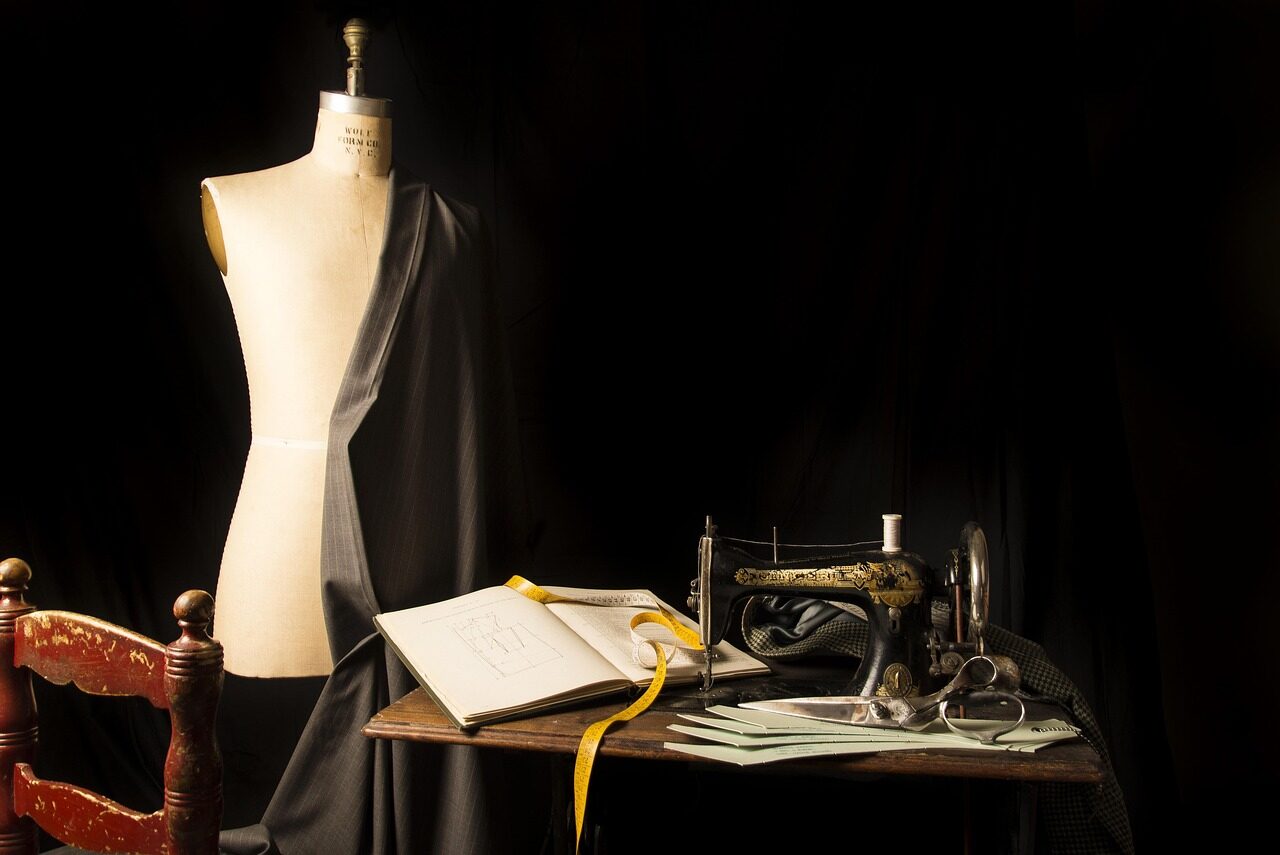
Above: Photo: nebulosagrafica / Pixabay.
What changed
The sharp-shouldered, close-cut suit dominated the 2010s. It photographed well and flattered narrow frames, but it was also uncomfortable on a hybrid working week that now includes trains, open-plan offices and long dinners. Tailors point to a simple shift: men are wearing jackets for more hours, in more places, and want to forget they have them on.
The Neapolitan tradition, with its “shirt-jacket” sleeve head, shallow canvas and minimal wadding, supplied the template. But London houses have adapted it. Where a Naples jacket can look rumpled, the London version keeps a firmer chest and cleaner lapel roll, a compromise that Ashtead-Pryor calls “relaxed, not resigned”.
Fabric is doing much of the work. Cloth merchants report that mid-weight woollens of 9 to 11 ounces, along with wool-silk-linen blends, are outselling the 13-ounce worsteds that once defined City dress.
“A man should look like he has a jacket on, not like the jacket has him.” — Hugh Ashtead-Pryor
The numbers behind the mood
The shift is visible beyond the Row. Marguerite Vauclain, a buyer for the Manchester menswear retailer Thorrold & Fray, says sales of unstructured blazers rose 44 per cent year on year, while sales of fully canvassed, heavily padded styles slipped 12 per cent. “The customer isn’t abandoning tailoring,” she says. “He’s abandoning stiffness.”
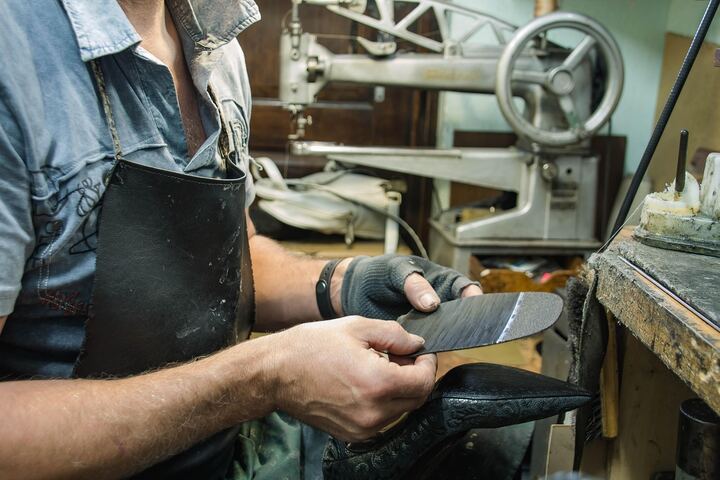
Price is part of the story. A soft jacket uses less internal construction, but the labour is exacting: hand-padded lapels, hand-set sleeves and careful shaping to prevent collapse. Made-to-measure prices at the mid-market now begin around £1,450 for a two-piece, while full bespoke at established houses starts nearer £4,800.
There are caveats. Soft tailoring is unforgiving on poor posture and ill-fitting trousers. A shoulder with no structure cannot hide a slope or a gap at the collar, so the fit has to be right from the first baste.
How to wear it without looking undone
Stylists who work with the new silhouette offer a few guidelines:
- Keep the trouser clean: a single pleat, a straight leg and a break that just grazes the shoe.
- Choose texture over shine. Flannel, hopsack and brushed cotton read as deliberate.
- Avoid pairing a soft jacket with a stiff, heavily starched collar. Let the shirt relax too.
- Press it lightly. A soft jacket needs steam, not a heavy iron.
The broader message is one of restraint. Tailors say clients now describe the look they want in terms of feeling rather than formality. “They say they want to look like they’ve worn it for years,” says Ashtead-Pryor. “You can’t fake that with padding.”
Back in the fitting room, the consultant steps down, rolls his shoulders and says the jacket feels like a cardigan. The cutter nods, slightly pained, then smiles. “That,” he says, “is the highest compliment we get this season, and the one I’ll never put on the invoice.”
Whether the trend outlasts the next economic cycle is an open question. Tailoring has swung between armour and ease for a century. But with orders booked into February, the Row is betting that comfort, for once, is not a fad.
The lesson for the buyer is simple: ask for less. A good cutter will know what to leave out, and the best soft jackets are defined by what they do not contain. Bring a trusted shirt to the first fitting, wear the shoes you’ll wear with the suit, and be honest about how you sit, because a jacket that flatters you standing still is only half a success.
Gregor covers tailoring, heritage clothiers and the business of Savile Row, drawing on fifteen years reporting on British craft industries. He is based in London.
More from GregorThe Sunday Shine
One letter every Sunday morning: the week in men’s style, the dress code for the days ahead, and one pair of shoes worth polishing.
Correspondence
Opening the post…