The Resale Reckoning: Pre-Owned Tailoring Is Outselling New in Three Cities
A growing number of men are buying their suits second-hand, then paying to have them altered. The shift is reshaping how shops, tailors and brands think about value.
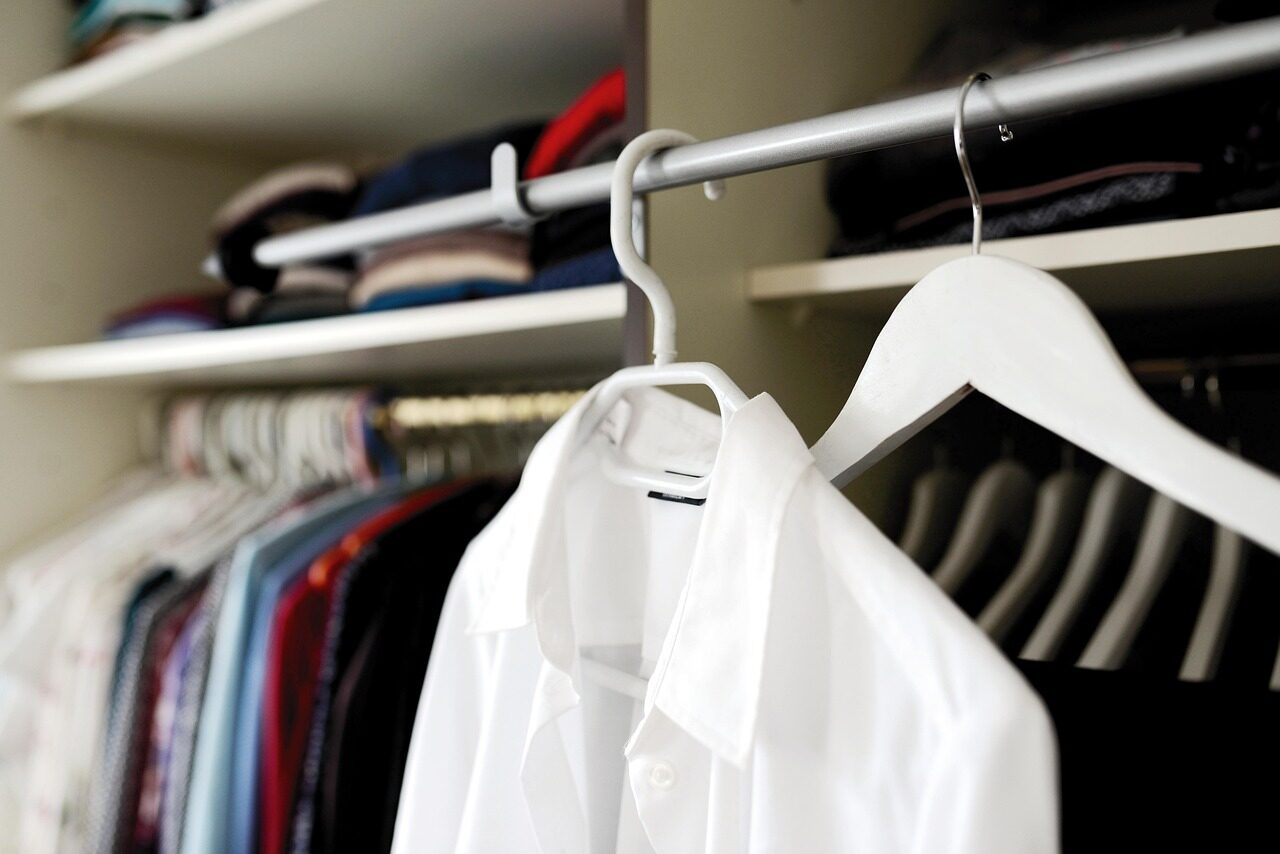
Above: Photo: congerdesign / Pixabay.
In a former print works in Manchester’s Ancoats district, rails of second-hand suits stretch back 30 metres. Navy worsted, charcoal flannel, a double-breasted chalk stripe with a Savile Row label. Each has been dry-cleaned, steamed and tagged with a price between £90 and £420. By Saturday afternoon, the better pieces will have gone.
The shop, Second Cloth, opened in 2023 with two staff and a single rail. It now employs 19 people and, according to its founder Jory Kettlewell, sold more tailoring by value last quarter than any comparable new-clothing store within a mile radius. “We did not expect it,” he says. “Men used to come in sheepishly. Now they come in with a spreadsheet.”
Above: Photo: ClickerHappy / Pixabay.
The numbers behind the shift
Figures compiled by the trade body Menswear Industry Insight suggest second-hand tailoring sales in the UK rose 31 per cent in the 12 months to September, to an estimated £186 million. In Manchester, Glasgow and Bristol, pre-owned suits and jackets now account for more units sold than new ones in independent retail, a first for the category.
Three forces appear to be at work. The first is price: a good second-hand wool suit costs, on average, 60 to 70 per cent less than its original retail price. The second is quality. Older suits, particularly from the 1990s and early 2000s, were often made with heavier cloth and better linings than comparable pieces today. The third is the rising cost of new tailoring itself. Cloth prices have climbed by roughly 14 per cent over two years, and many labels have passed that on.
“A £1,200 suit from a good British maker in 2008 is, in construction terms, better than a £1,200 suit today,” says Annabel Rudhall, a buyer who sources stock for Second Cloth. “It is simply a fact. The margin pressures have pushed everybody to cut corners somewhere.”
The alteration economy
The real money, shop owners say, is not in the suit but in the work that follows. A second-hand jacket rarely fits perfectly, and the buyer then visits a tailor. This has created a minor boom for alteration specialists.
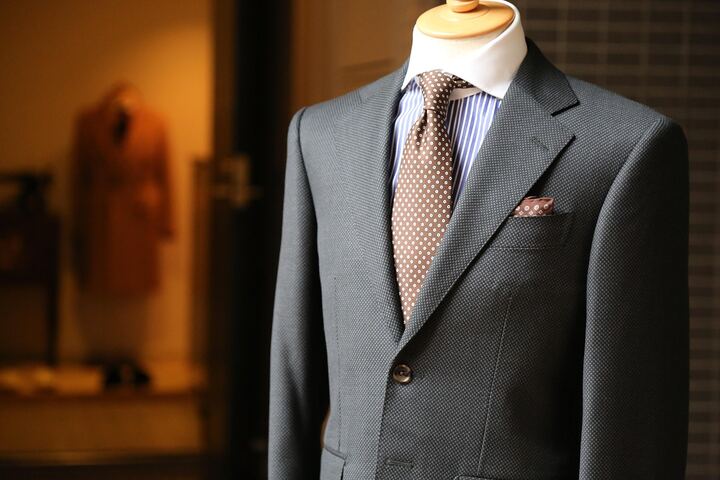
At Cordwright & Daughters, a tailor in Bristol, alterations now represent 58 per cent of revenue, up from 34 per cent three years ago. A typical job — shortening sleeves, taking in the waist, re-cutting trouser hems — costs £65 to £140. Owner Magda Cordwright describes second-hand buyers as her best clients. “They already love the cloth. They are not trying to save a few pounds, they are trying to get a better suit than they could otherwise afford. So they look after the fit.”
She cautions, though, that alterations have limits. Shoulders, the most important part of a jacket, are very difficult to modify. “If the shoulder is wrong, walk away. Everything else we can fix.”
How to buy well
For men tempted to try second-hand tailoring, shop owners offer a short set of rules:
- Check the shoulders first. Try the jacket on and look for dimpling or collapse at the sleeve head.
- Look at the canvas. Pinch the lapel: if the layers separate and feel springy, it is canvassed; if they stick together, the jacket is fused.
- Inspect the seat and thighs. Trousers can be taken in, but worn, shiny patches cannot be repaired.
- Smell it. Cigarette smoke and mustiness are persistent. A good shop will have aired and cleaned stock, but ask.
- Budget for alterations, typically £80 to £150.
“Men used to come in sheepishly. Now they come in with a spreadsheet.”
What it means for the industry
Brands have noticed. Two British tailoring labels have launched buy-back schemes this autumn, offering store credit for returned suits in good condition. Others are quietly sceptical: every pre-owned sale is, in a narrow sense, a new suit that was not bought.
Kettlewell is relaxed about this. “Our customers are not people who were going to buy a £1,500 suit and have now downshifted. They were buying a £250 high-street one that fell apart in two years. We are moving them up the quality ladder, not taking from the top.”
Whether that holds will become clearer next year, when more data arrives. For now, on a wet Saturday in Ancoats, a queue is forming at the door at ten to ten, and a man in a waxed jacket is already eyeing the chalk stripe.
Matteo writes on fragrance, grooming and skincare, with a background in perfumery journalism and a soft spot for small-batch makers. He is based in Milan.
More from MatteoThe Sunday Shine
One letter every Sunday morning: the week in men’s style, the dress code for the days ahead, and one pair of shoes worth polishing.
Correspondence
Opening the post…