Made-to-Measure or Bespoke? What the Extra £2,400 Actually Buys
Both promise a suit that fits you rather than a mannequin. The differences lie in the paper pattern, the number of fittings and who holds the shears.
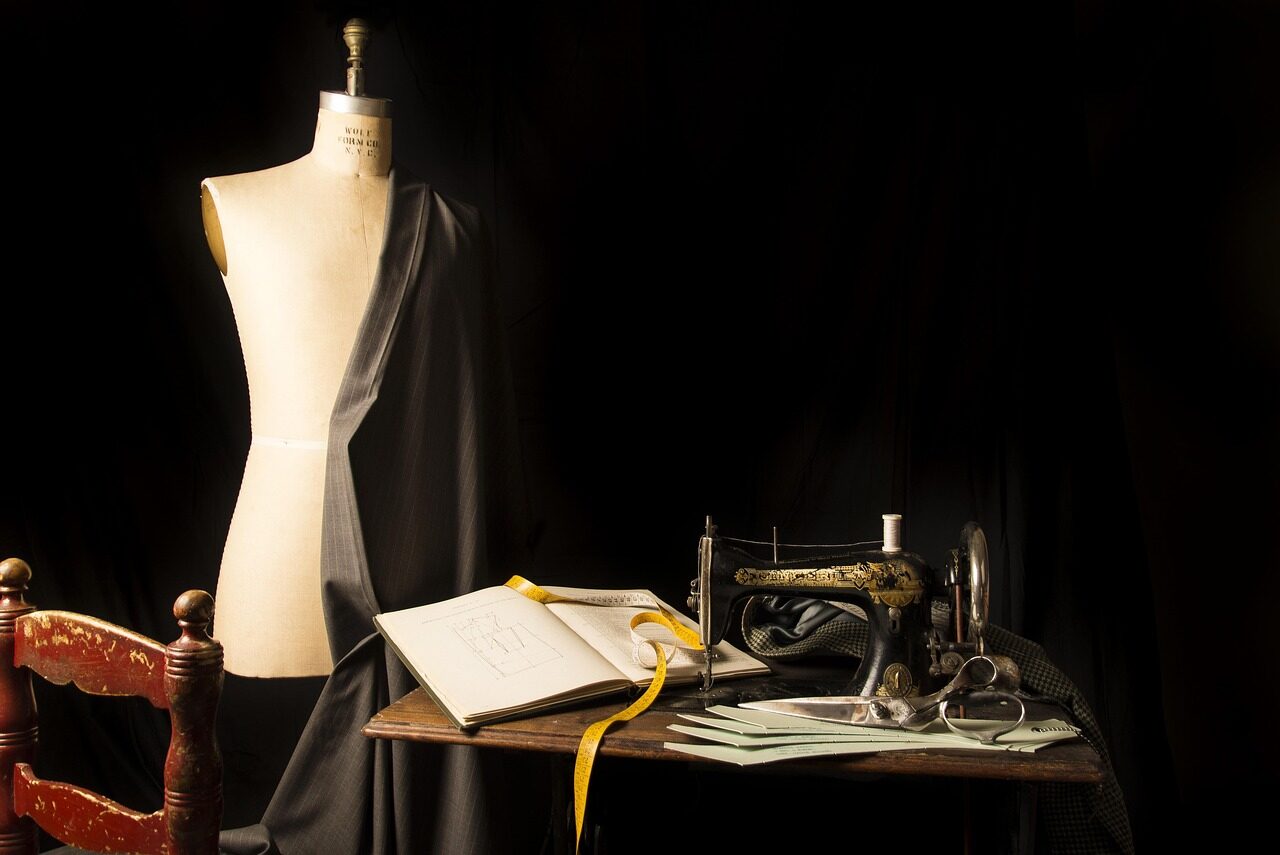
Above: Photo: nebulosagrafica / Pixabay.
The words are used interchangeably in shop windows from Jermyn Street to Milan’s Via Montenapoleone, and the confusion is not accidental. “Made-to-measure” and “bespoke” sit a few hundred pounds apart on some price lists and several thousand on others. Understanding what separates them is the difference between a good purchase and an expensive misunderstanding.
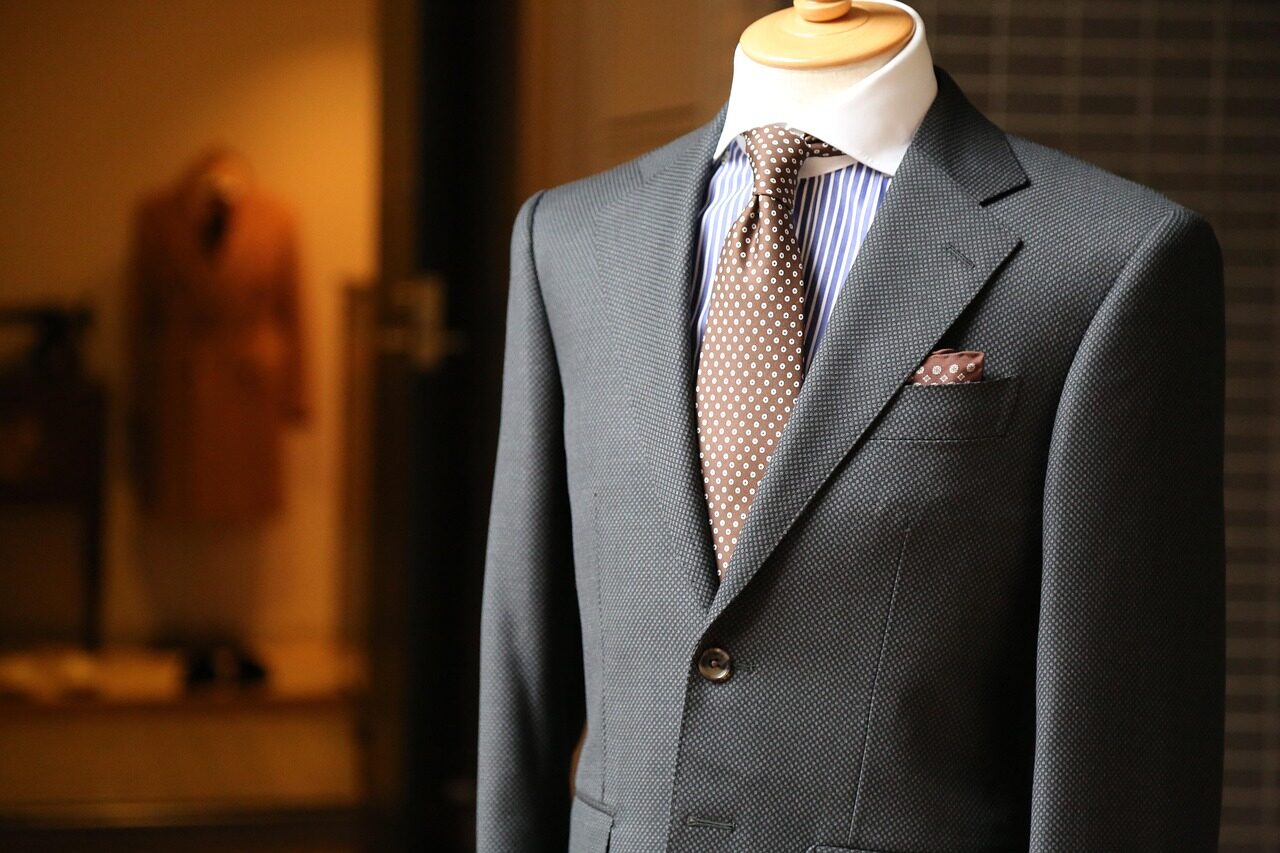
Above: Photo: matham315 / Pixabay.
Two different starting points
A made-to-measure suit begins with an existing pattern. The tailor takes between 15 and 25 measurements, selects the nearest block from a library of standard patterns, and adjusts it: lengthening the jacket, dropping a shoulder, letting out the seat. The cloth is cut in a factory, often in Portugal, Romania or Tunisia, and the garment arrives four to eight weeks later for a single fitting.
Bespoke begins with a blank sheet of paper. A cutter drafts a pattern for one customer, and only that customer. The pattern is kept, and the cloth is cut by hand from it. A first baste fitting shows the suit in rough, tacked-together form, and a second, the forward fitting, comes after the sleeves and pockets are in. Most houses insist on at least three appointments over eight to twelve weeks.
“Made-to-measure is a very good alteration of a very good guess,” says Ottoline Wedderburn, head cutter at Hallowfield & Tuke, a 1920s-founded house off Savile Row. “Bespoke is no guess at all. The first time I cut your coat, I am learning your body. The fifth time, I know it better than you do.”
What the money buys
Prices vary by house, but the broad bands are consistent. At Hallowfield & Tuke, a made-to-measure two-piece starts at £1,650. The bespoke equivalent starts at £4,050, a gap of £2,400. The premium pays for:
- Labour: a bespoke suit takes 50 to 80 hours of skilled work, nearly all by hand. A made-to-measure suit takes perhaps 12 to 20, much of it by machine.
- Canvassing: bespoke jackets are fully canvassed, with horsehair and wool layers stitched to the cloth so the lapel rolls rather than folds. Made-to-measure ranges are typically half-canvassed or, at the lower end, fused with glue.
- Fittings: two or three, against one.
- Correction: a bespoke tailor can recut the pattern after a fitting. A made-to-measure house can only alter what the garment already contains.
The last point matters most for awkward bodies. A man with one shoulder lower than the other, a pronounced stoop or a long torso over short legs will find that standard blocks keep fighting him. In those cases the extra £2,400 is not a luxury but the only route to a jacket that sits properly.
Where made-to-measure wins
It would be a mistake to treat bespoke as simply better. For a man of ordinary proportions, a good made-to-measure suit is a very large improvement on off-the-rack, and it can be ordered in an afternoon. Turnaround is faster, cloth selection is often wider, and a mistake costs less.
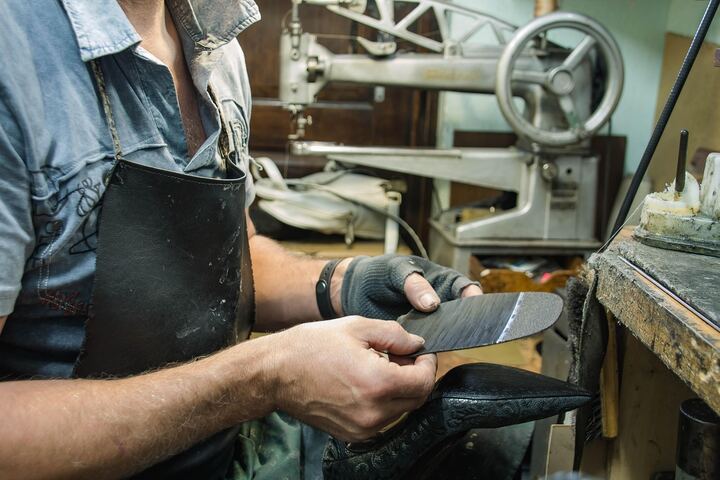
“I tell first-time customers to start with made-to-measure,” says Dario Vennelli, who runs Vennelli Sartoria in Turin and offers both. “Learn what you like: the shoulder, the break of the trouser, how many buttons. Then, when you know your own taste, go bespoke and spend your money on something you are certain of.” About a third of his bespoke clients, he estimates, began on the cheaper line.
There is also the matter of lifespan. Fused jackets can bubble after dry cleaning or heavy wear, typically within five to eight years. A hand-canvassed coat, cared for, can be altered and worn for decades, and the paper pattern means a replacement can be cut without starting again.
Questions to ask before you pay
Because marketing language is loose, the sensible approach is to ask direct questions of any tailor, whatever the label on the door.
- Is the pattern drafted for me, or adapted from a block?
- Who cuts the cloth, and where?
- How many fittings are included, and what happens if the second fitting reveals a problem?
- Is the jacket full canvas, half canvas or fused?
- Do I keep my pattern?
A tailor who answers briskly and specifically is usually worth trusting. One who retreats into phrases such as “fully personalised” is probably selling made-to-measure with a bespoke price tag.
There is a middle category worth knowing: “hand-finished” or “bespoke-grade” ranges, which use a block pattern but offer a hand-canvassed chest and two fittings. These typically land between £2,600 and £3,400 and suit men who want the longevity without the full commitment.
“Made-to-measure is a very good alteration of a very good guess.”
The honest conclusion is that neither is a scam and neither is automatically the smarter buy. Made-to-measure is the rational choice for most bodies and most budgets. Bespoke is the right one when the body is unusual, the wardrobe is settled, or the pleasure of the process is part of the point. Know which of those you are, and the extra £2,400 either looks like a bargain or a distraction.
Matteo writes on fragrance, grooming and skincare, with a background in perfumery journalism and a soft spot for small-batch makers. He is based in Milan.
More from MatteoThe Sunday Shine
One letter every Sunday morning: the week in men’s style, the dress code for the days ahead, and one pair of shoes worth polishing.
Correspondence
Opening the post…