The Forty-Day Suit: Inside Milan’s Race to Make Tailoring Faster Without Making It Worse
Made-to-order houses are cutting delivery from twelve weeks to six. The cutters who still hand-baste say the shortcuts show up in the shoulder first.
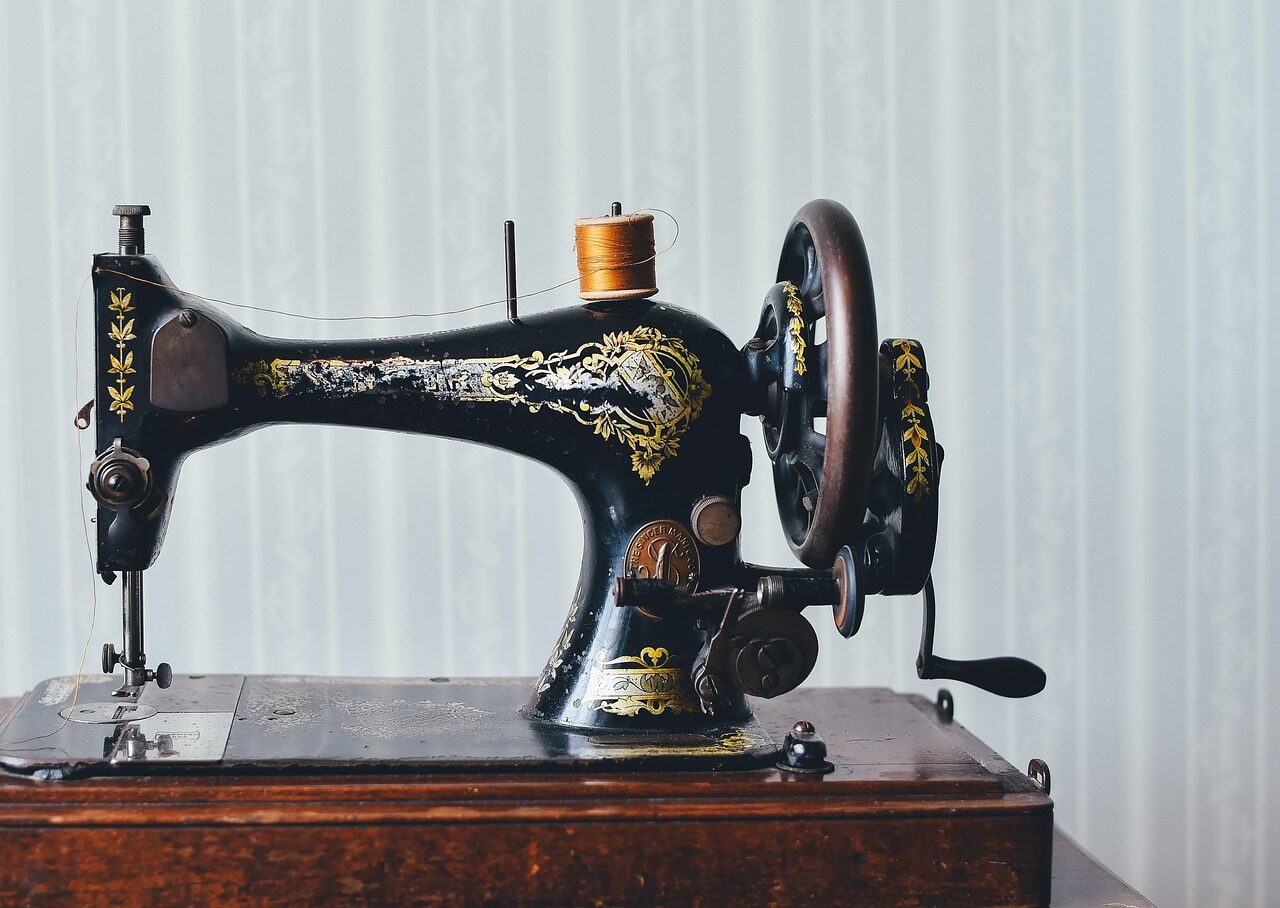
Above: Photo: Pexels / Pixabay.
In a fourth-floor workshop off Via Solferino in Milan, eleven cutters are working to a deadline that would have embarrassed their grandfathers. A navy hopsack suit ordered on a Monday in October will, if everything goes to plan, be on a customer’s hanger by the first week of December. Forty days from tape to door.
The workshop belongs to Casaverdi & Figli, a family-run house that has made roughly 1,900 suits a year since the 1970s. This autumn it is on course for 3,100. The reason is not sentiment. It is a quiet arms race among Italian made-to-order houses to shorten a process that has traditionally taken twelve weeks or more.
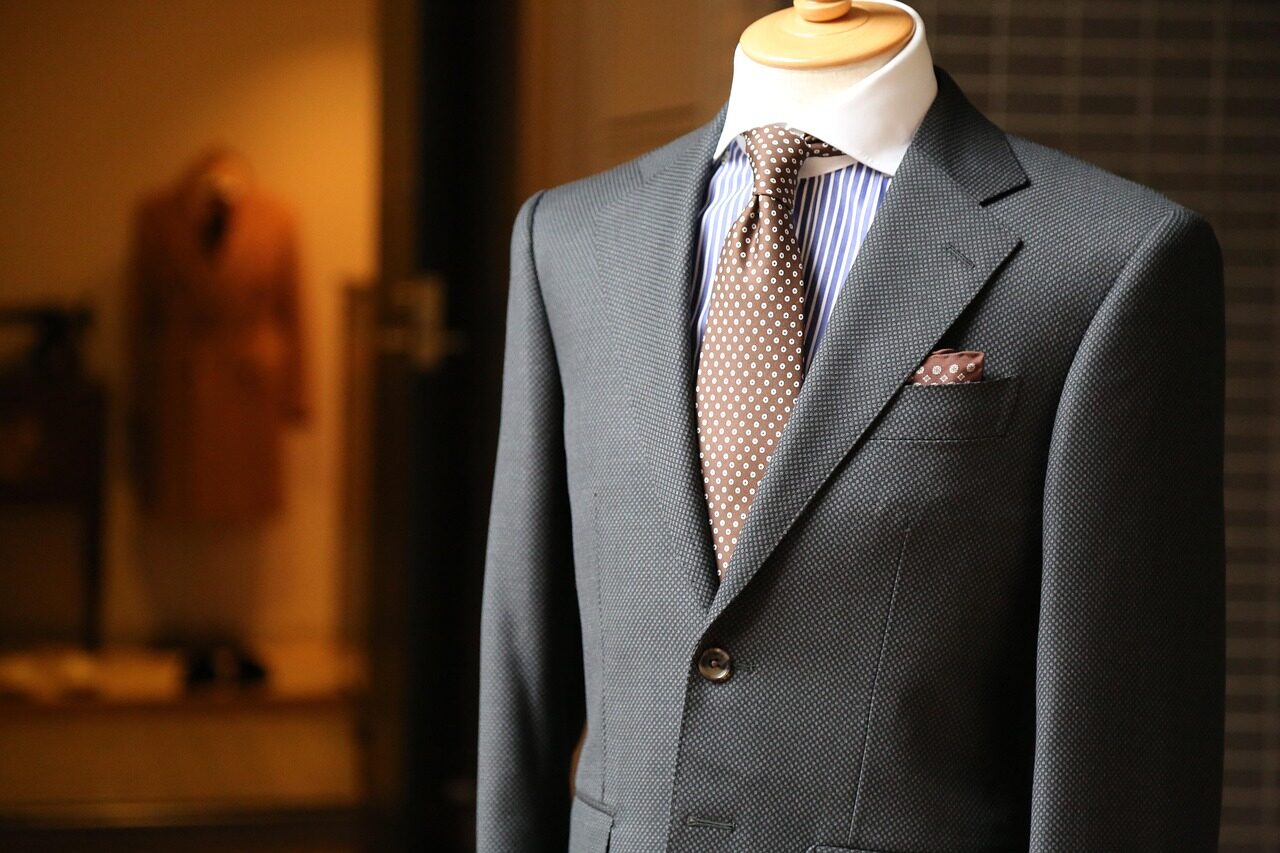
Above: Photo: matham315 / Pixabay.
Where the weeks went
According to Matteo Casaverdi, the third generation to run the business, the old timeline was less about craft than about waiting. “A jacket spent perhaps 55 hours in human hands and eleven weeks on a shelf,” he says. “Cloth arrived late, a first fitting was booked for a Thursday three weeks away, the finisher was on holiday in August.”
The new model attacks the shelf, not the hands. Casaverdi now holds 14,000 metres of core cloth in navy, charcoal, mid-grey and a rotating handful of seasonal weaves, so orders are cut within 48 hours. Basic pattern adjustments are made from a 22-point measurement sheet, taken in one sitting, and a half-made jacket, known as the forward, is ready for a fitting within ten days instead of five weeks.
The house has also moved its trouser making to a partner workshop in Puglia, freeing Milan to concentrate on coats. That single change accounts, Casaverdi says, for nine of the 32 days saved.
What the cutters worry about
Not everyone is persuaded that speed is free. Ludovica Ferrandini, who spent 34 years cutting at a rival Milanese house before retiring in 2024, argues that the shoulder is where hurry is exposed.
“You can hide a rushed sleeve. You cannot hide a rushed shoulder. It either sits on the man or it sits on the hanger.”
Ferrandini’s concern is the compression of fittings. Traditional bespoke allows a baste fitting, a forward fitting and a finished fitting, each followed by weeks of alteration. The faster houses typically offer two. Customers with sloping shoulders, a dominant right side or a forward-set posture, which together describe a considerable share of office-bound men, are the ones most likely to need a third.
Casaverdi does not dispute this. His answer is a free third fitting for anyone who asks, which about one client in five now does. “We would rather lose four days than lose a customer,” he says.
The numbers behind the rush
The commercial logic is plain. Industry figures compiled by the Milan Tailoring Association suggest the average made-to-order customer in Italy is now 38, down from 51 a decade ago, and considerably less patient. Roughly half of new orders at the city’s mid-sized houses are placed after a wedding, a promotion or a job offer, with a date attached.
The pricing reflects the shift. A Casaverdi forty-day suit starts at €1,850, against €2,600 for the full twelve-week service with additional hand-finishing. The difference, Casaverdi says, is mostly in the buttonholes and the canvas.
Three features separate the quicker suit from its slower sibling:
- A half-canvas rather than a full-canvas chest, which saves about nine hours of hand-padding.
- Machine-made sleeve linings, with a hand-felled collar retained.
- Pre-cut standard pocket and lining sets, matched to the cloth within 24 hours.
None of these is a scandal. Half-canvas jackets, properly made, hold their shape for a decade or more. The question is whether the customer is told, and here the houses vary. Casaverdi prints the construction on the inside label. Others do not.
What to ask before you order
Buyers weighing a fast suit would do well to treat the delivery date as a negotiable feature rather than a promise. Ask how many fittings are included and whether a third costs extra. Ask where the trousers are made. Ask to see the inside of a finished jacket, turned out, in daylight.
The best of the quick houses will oblige without hesitation. Back in Via Solferino, Casaverdi lifts the lapel of a charcoal sample and runs a thumb along the pad stitching. “Forty days is a deadline,” he says. “It is not an excuse.”
Matteo writes on fragrance, grooming and skincare, with a background in perfumery journalism and a soft spot for small-batch makers. He is based in Milan.
More from MatteoThe Sunday Shine
One letter every Sunday morning: the week in men’s style, the dress code for the days ahead, and one pair of shoes worth polishing.
Correspondence
Opening the post…