The Bespoke Hem: Why the Break of Your Trouser Now Decides the Whole Suit
A fraction of an inch at the shoe separates a suit that looks owned from one that looks borrowed. Tailors from Edinburgh to Milan say the ‘no-break’ hem is losing ground to something calmer.
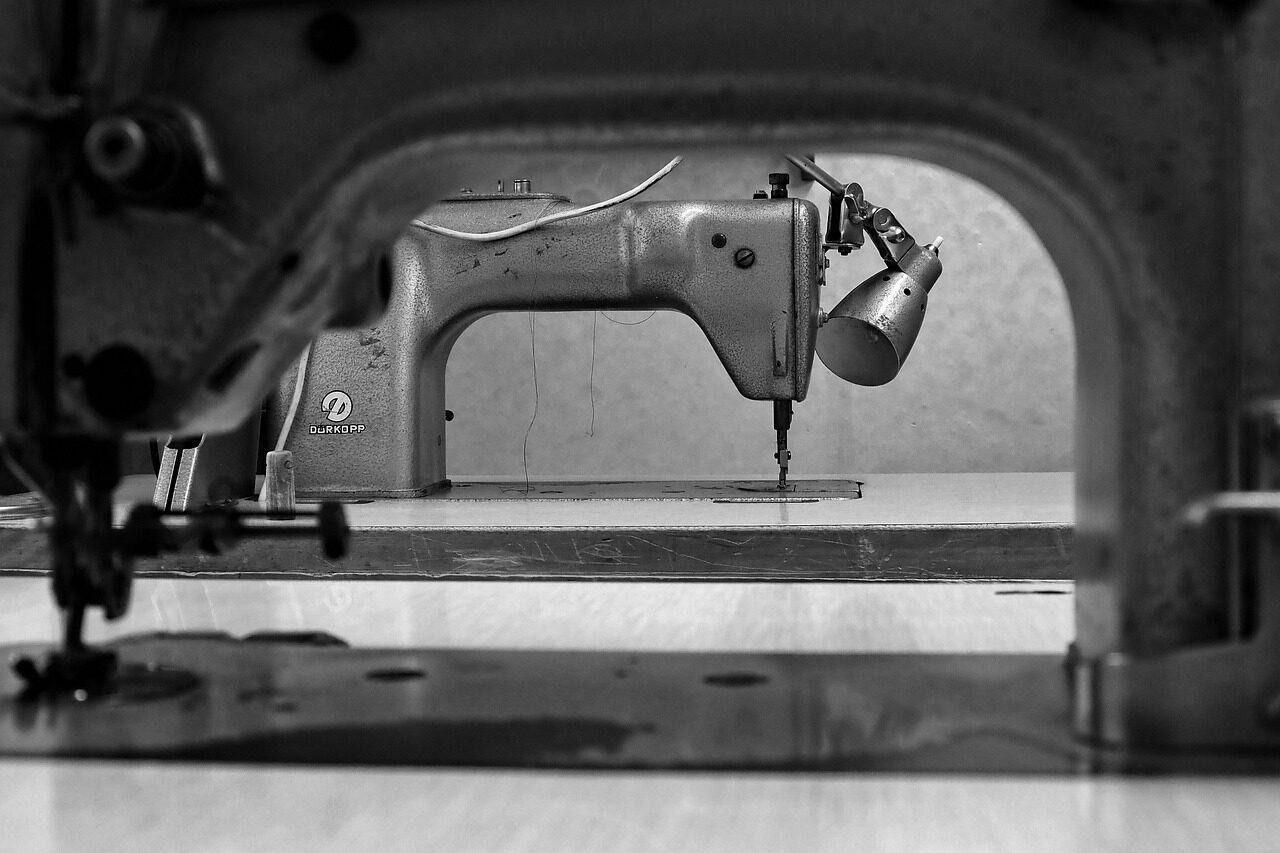
Above: Photo: Ralf1403 / Pixabay.
Ask a cutter where a suit goes wrong and, more often than not, the answer is not the shoulder or the lapel. It is the last inch and a half of fabric above the shoe.
“The hem is where a customer’s confidence shows,” says Alasdair Maclarty, head cutter at Maclarty & Brandell in Edinburgh, who has measured trouser lengths for 31 years. “Too long and you look as if you borrowed it. Too short and you look as if you are making a point.”
After a decade in which the cropped, no-break trouser dominated every lookbook from Milan to Seoul, tailors across Europe report a quiet correction. Nine of the 14 workrooms we surveyed this autumn said the share of orders specifying a “slight break” had risen since 2024. Three said it had doubled.
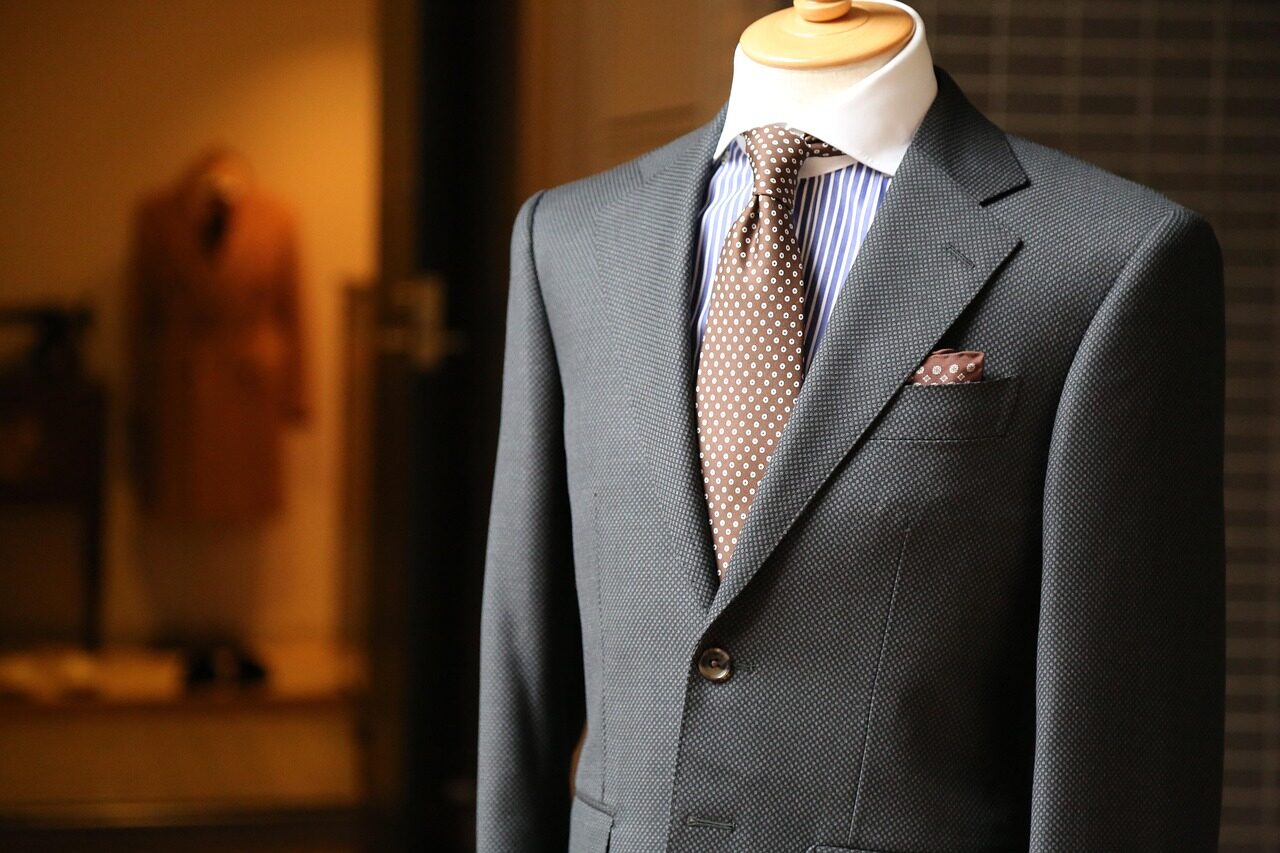
Above: Photo: matham315 / Pixabay.
What a break actually is
The break is the fold or crease that forms where the front of the trouser meets the top of the shoe. There are four conventions worth knowing:
- No break: the hem just kisses the shoe. Clean, but unforgiving of movement.
- Slight break: a single shallow crease, roughly 1cm of fabric resting on the vamp.
- Medium break: a defined fold, traditional on English cuts.
- Full break: a stacked, pooling hem, now mostly seen on workwear-inspired looks.
The slight break has become the default recommendation at Wragge Bros., a Savile Row-adjacent house in London’s Mayfair, where managing partner Tobias Wragge says it is “the only length that survives sitting down.”
“A no-break trouser looks superb standing at a mirror,” he says. “Then the customer crosses a leg on the 08:12 to Waterloo and discovers 6cm of sock.”
Why the pendulum swung
The cropped hem rode in on the back of the sneaker. A trouser that ended at the ankle bone made sense with a low white trainer, and it photographed well. But as offices have moved back towards leather lace-ups (a shift that has put a heavier, higher-vamped shoe back under the cuff), the cropped line has looked increasingly truncated.
There is also a plain matter of cloth. Heavier winter flannels, in 12oz to 14oz weights, drape rather than hang. “A light summer tropical will hold a no-break line,” says Marguerite Sallow, who runs a made-to-measure atelier in Turin. “A 13oz flannel wants a touch of length to fall properly. Cut it short and it bunches at the knee.”
The numbers back her up. Sallow says that of 212 winter orders placed since September, 61 per cent specified a slight break, against 38 per cent for the same period two years ago.
“The hem is the punctuation at the end of the sentence. Get it wrong and nobody remembers the sentence.”
How to check yours
Stand in your shoes, on a hard floor, in front of a full-length mirror. Do not trust the tailor’s pins alone; pinned trousers sit differently once the waistband is fastened and the braces or belt take their weight.
Tailors recommend three checks. First, the front of the hem should rest lightly on the shoe with no more than one soft crease. Second, the back should fall to roughly the top of the heel counter, about 2cm above the sole’s edge, slanting gently down. Third, sit down and cross your legs. If skin shows above the sock, ask for another 6mm.
That slant matters. A hem cut parallel to the floor will appear to ride up at the back. “Most off-the-peg trousers are finished straight across,” Maclarty says. “We cut ours about 1.5cm longer at the rear. You never notice it. You’d notice if it was missing.”
The cost of getting it right
A basic hem adjustment at a high-street alterations shop costs between £12 and £18 and takes two days. A cuffed trouser costs more, typically £25 to £35, because the turn-up must be rebuilt and pressed. Bespoke houses fold the work into the price of the suit, but will re-cut the length free for the first year.
The lesson, says Wragge, is not that the cropped hem is dead. It is that fashion’s most visible gesture has settled into something quieter. “The best compliment a trouser can get,” he says, “is that nobody mentions it.”
For the man buying a winter suit this season, the instruction is simple: go to the fitting in the shoes you will actually wear, ask for a slight break, and sit down before you pay.
Gregor covers tailoring, heritage clothiers and the business of Savile Row, drawing on fifteen years reporting on British craft industries. He is based in London.
More from GregorThe Sunday Shine
One letter every Sunday morning: the week in men’s style, the dress code for the days ahead, and one pair of shoes worth polishing.
Correspondence
Opening the post…