The Dress Sneaker Retreats: Why Offices Are Taking Leather Back
After a decade of minimalist white trainers under suit trousers, sales data and shopfloor chatter suggest a quiet swing back to the lace-up. The reasons are as much about posture as fashion.
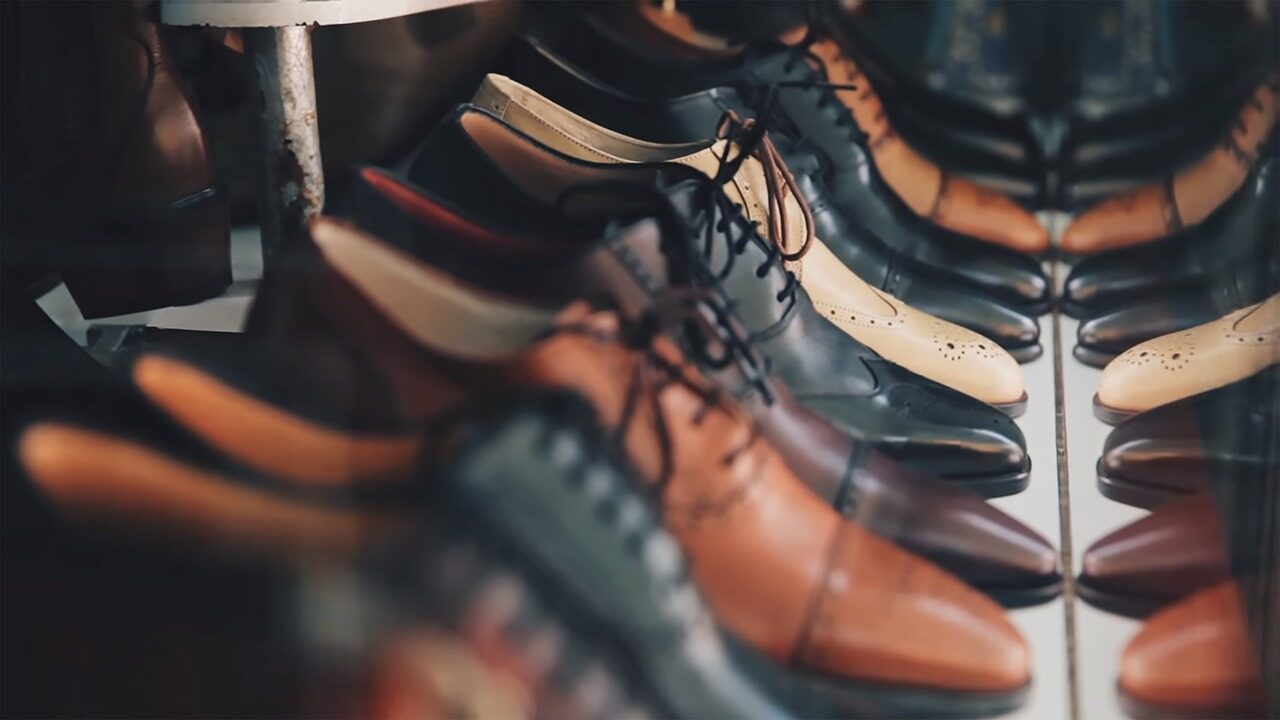
Above: Photo: Pexels / Pixabay.
For roughly ten years, the white leather trainer was the safest shoe a man could wear to an office that did not require a tie. It went with chinos, with navy wool trousers, even with a lightweight suit. This autumn, buyers at several British and European retailers report that the tide is going out.
At Stanwix & Pimlott, a 14-store menswear chain with branches from Leeds to Edinburgh, sales of leather lace-up shoes in the third quarter rose 22 per cent year on year, while minimalist court-style trainers fell 17 per cent. “It is not a collapse,” says Imogen Tatterfall, the chain’s head of footwear buying. “Trainers still make up more than a third of what we sell. But the direction is unmistakable, and it began around the return-to-office mandates last spring.”
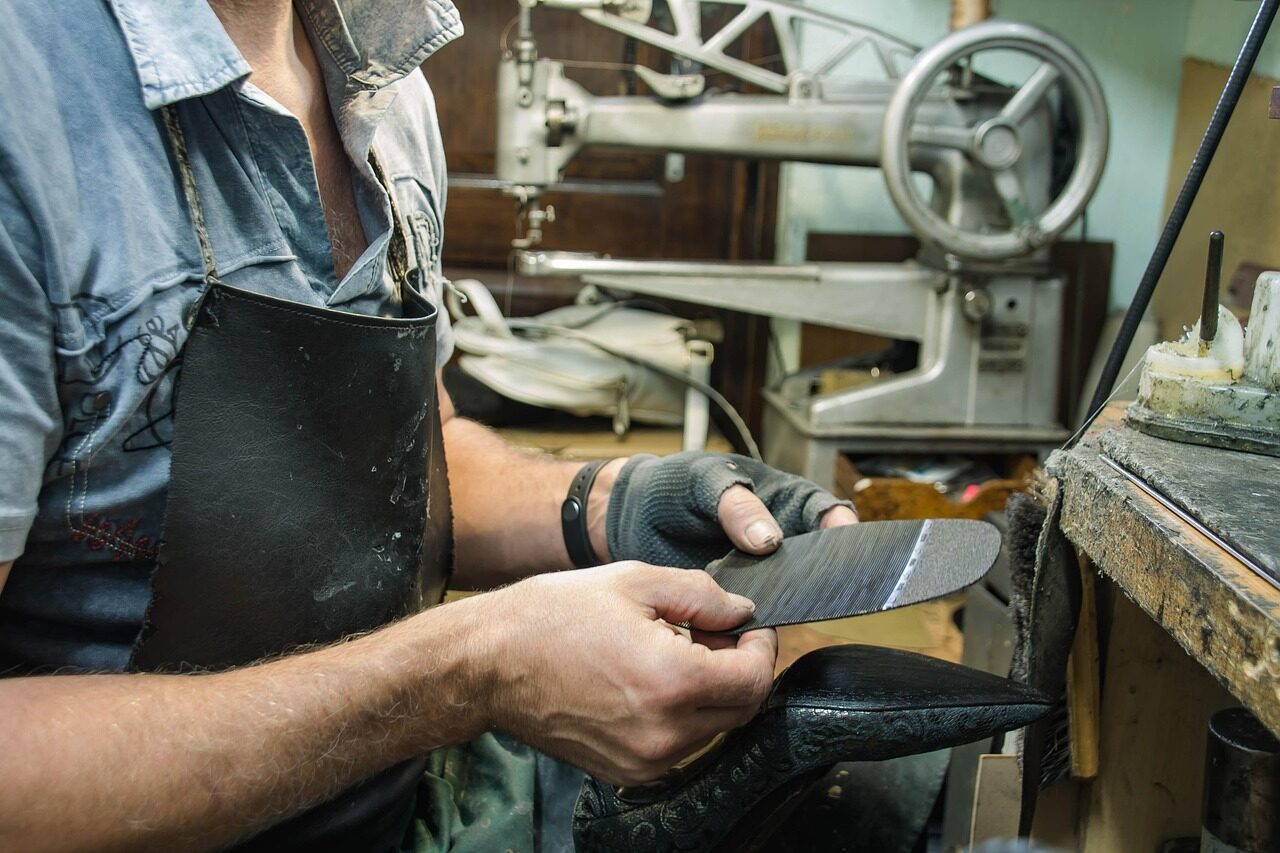
Above: Photo: GermansLat / Pixabay.
The commute changed the shoe
The explanation most buyers offer is practical. As employers pushed staff back to desks three or four days a week, men who had spent two years in slippers rediscovered the formality of arriving somewhere. A shoe that looked fine at a kitchen table looked slightly casual in a boardroom lift.
There is also the question of wear. The minimalist trainer was designed to be pristine, and it rarely stays so. Pale leather scuffs, creases at the toe box and shows every wet pavement. A calf-leather derby, by contrast, improves with polish. “A white trainer is at its best on day one,” says Tatterfall. “A brown shoe is at its best on day five hundred.”
Price may play a part too. Premium court trainers from European labels typically cost £220 to £340. A good Goodyear-welted derby from a mid-market British maker starts around £240, and can be resoled several times. When the cost is similar, the longer-lived option begins to look the rational one.
What is replacing the trainer
Buyers are not describing a return to the heavy, wide-toed brogues of the early 2000s. The shoe gaining ground is lighter and plainer:
- The plain derby: open lacing, a slim round toe, a thin leather or rubber-composite sole. It reads as less formal than an oxford and travels easily from trousers to jeans.
- The suede chukka: a two-eyelet ankle boot, in sand or chocolate, which many men treat as a trainer substitute.
- The penny loafer: particularly in dark burgundy, worn without socks in summer and with thick merino socks now.
- The crepe-soled derby: a hybrid that borrows the cushioning of a trainer and the silhouette of a leather shoe.
That last category is perhaps the most telling. Haverley Boot Co., a Northamptonshire maker founded in 1957, introduced a crepe-soled derby in 2024 and says it now accounts for 40 per cent of its men’s volume. “Men want comfort,” says managing director Hartley Rimmington. “What they are rejecting is not comfort, it is the look of a sports shoe at a dinner or a meeting. Give them a soft sole under a proper upper and they are happy.”
A matter of posture
There is a subtler reason, one that tailors have noted for years. A shoe with a slight heel and a structured heel counter changes how a man stands. Trousers break more cleanly over a leather vamp than over a puffy trainer tongue, and the line from hem to shoe stays continuous.
“The trainer cuts the leg off,” says Cosima Aldworth, a stylist who dresses City executives. “A dark derby extends it. Men feel that before they can explain it. They say the outfit looks ‘finished’.”
“A white trainer is at its best on day one. A brown shoe is at its best on day five hundred.”
The caveats
Two cautions are worth stating. First, retailers have an interest in announcing trends, and a single quarter of data does not make a revolution. Online sales of trainers remain strong in younger age groups, and many of the men now buying derbies still own several pairs of trainers.
Second, the return of leather risks bringing back its old failings: stiffness, blisters, and the false economy of cheap cemented soles. Anyone shopping for a first pair should check for a welted construction, ask whether the shoe can be resoled, and break it in over a week of short days rather than one long one.
Still, the signal is clear enough. The white trainer solved a problem of the 2010s, which was how to dress down without looking careless. Having succeeded so thoroughly, it has become the thing a man must now dress up from. Nobody is banning it. They are simply, one derby at a time, wearing something else.
Tabitha covers everyday menswear, footwear and the dress codes of modern offices, and previously worked on a regional fashion magazine. She is based in Bristol.
More from TabithaThe Sunday Shine
One letter every Sunday morning: the week in men’s style, the dress code for the days ahead, and one pair of shoes worth polishing.
Correspondence
Opening the post…