The Fleece Grows Up: Why Technical Warmth Is Moving Into the Weekend Wardrobe
Once confined to hillsides and school runs, the fleece is turning up in boutiques at £260. A look at what separates a good one from an anorak’s afterthought.

Above: Photo: Pexels / Pixabay.
On a wet Saturday at the Hartwell Market in Manchester, a man in his thirties is queuing for coffee in a fleece the colour of porridge. It is a boxy, deep-pile zip-neck, and it costs, he admits, £240. “My dad had one like it,” he says. “His cost about thirty quid and had a mountain on it.”
The fleece, long the uniform of the damp and the practical, has become fashionable. Sales of premium fleece jackets in the UK rose 41 per cent in the year to September, according to the retail analysts at Kestlewick Brent, outpacing every other category of casual outerwear. Brands that spent a decade selling merino and waxed cotton now find themselves stocking synthetic pile.
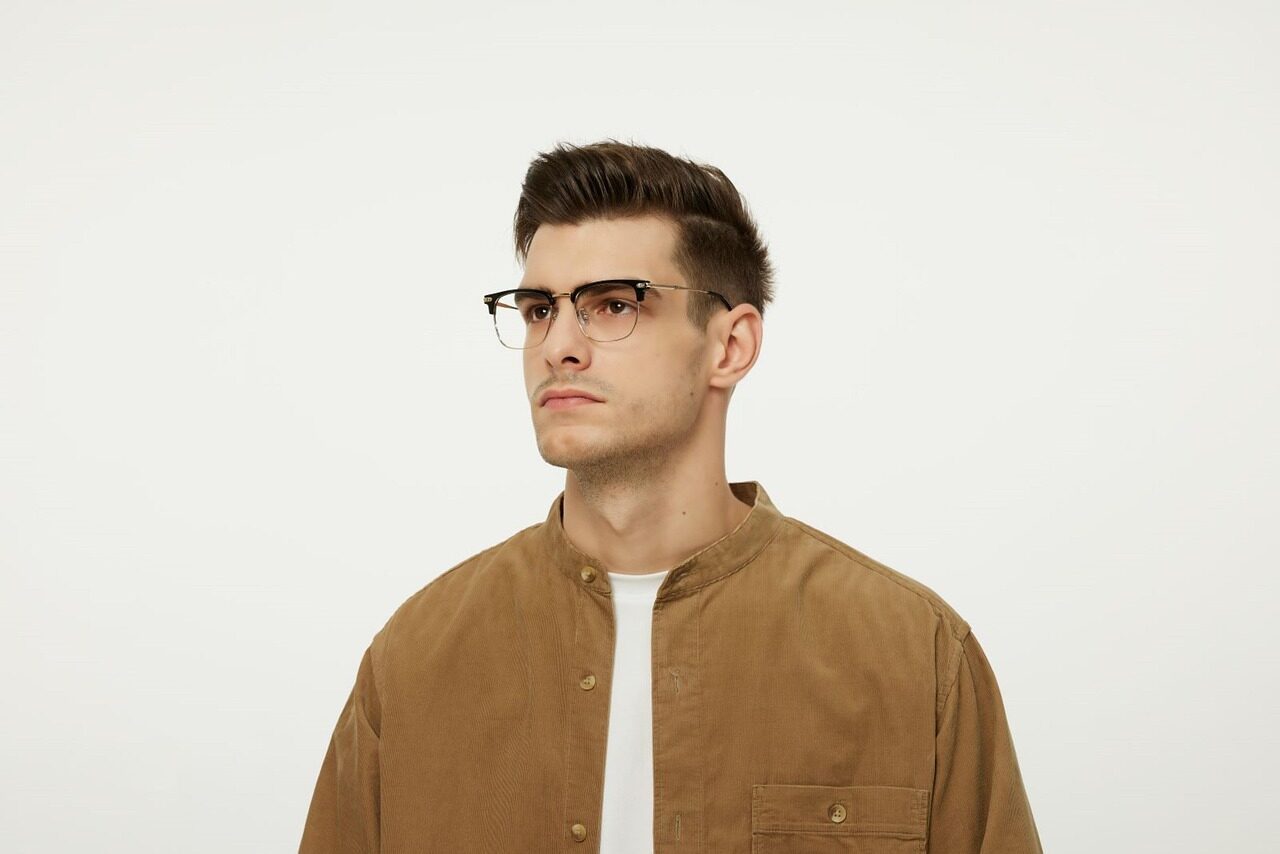
Above: Photo: GlassesShop / Pixabay.
A short history of warm polyester
The first modern fleece emerged in a Massachusetts mill in 1979, when a textile maker sought a lighter alternative to wool for climbers. It was warm when wet, dried in minutes and weighed roughly a third of an equivalent knit jumper. By the 1990s it was everywhere, and by the 2000s it was a cliché.
What has changed is the finish. Rather than the thin, pilling stuff of school trips, the new versions use dense, brushed pile with a hand-feel closer to sheepskin. Several makers now specify recycled polyester at 400 grams per square metre or more, double the weight of a standard mid-layer.
“The fabric was never the problem,” says Priya Stansfield-Burge, design director at the Glasgow label Whitmoor & Cairnie. “The problem was the proportions. Short body, narrow shoulder, a zip that screamed.” Her house’s best-selling fleece has a dropped shoulder, a hem that sits at the hip bone and a chunky metal zip pull in matte brass.
“A fleece should look like it belongs to a person who has somewhere to be afterwards.”
What to look for
Price alone is a poor guide. Some £300 fleeces are merely ordinary pile in a good photograph. A better test is physical.
- Weight. Pick it up. A winter-worthy fleece feels substantial, at least 600 grams in a size medium.
- Pile density. Part the fibres with a thumb. You should see little of the backing fabric.
- Stitching. Flat-locked seams, which lie smoothly against the skin, are a sign of care. Overlocked edges, with their raised ridge, suggest a cheaper cut.
- Collar. A funnel neck should stand on its own. If it flops, the interlining is absent.
How to wear it without looking lost
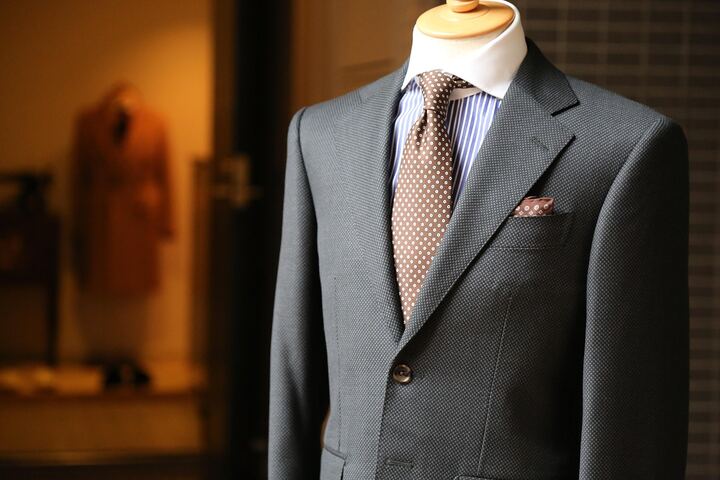
The temptation is to dress the fleece up, pairing it with a shirt and tie like a sort of cheerful cardigan. Resist. The most convincing looks keep it plainly casual: heavy cotton trousers, a pair of leather boots, perhaps a waxed cap. Colour matters too. Cream, oatmeal, moss and rust read as deliberate. Bright blue and red read as a school trip.
Layering is where the garment earns its place. Under a shell, a fleece offers warmth without bulk; under nothing, on a dry day at 8 degrees, it can replace a coat. Pair it with a plain T-shirt and a scarf, and it will carry you from the pub to the station.
The sustainability question
Fleece has an awkward environmental record. Each wash can release thousands of microplastic fibres, and recycled polyester, while preferable to virgin, is not a cure. Researchers at the University of Plymouth have estimated that a single synthetic garment may shed several hundred thousand fibres across its life.
Some brands now sell washing bags and filters alongside their jackets, and the better ones guarantee repair for ten years. Stansfield-Burge’s label replaces broken zips free of charge. “If we are asking £260 for a jacket,” she says, “we ought to expect it to last until the next fashion.”
The man in Manchester shrugs when asked whether his fleece will outlast the trend. He collects his flat white and tucks one hand into the kangaroo pocket. “It is warmer than anything I own,” he says. “That is the whole argument.”
Fiifi tracks resale, retail discounting and the economics of luxury menswear, having started his career as a retail analyst. He is based in Manchester.
More from FiifiThe Sunday Shine
One letter every Sunday morning: the week in men’s style, the dress code for the days ahead, and one pair of shoes worth polishing.
Correspondence
Opening the post…