The Case for the Heavy Rugby Shirt: Weekend Dressing’s Sturdiest Comeback
Thick cotton, wide stripes and a collar that stands up on its own. The rugby shirt, long consigned to the clubhouse, is turning up in boutique windows from Tokyo to Copenhagen.
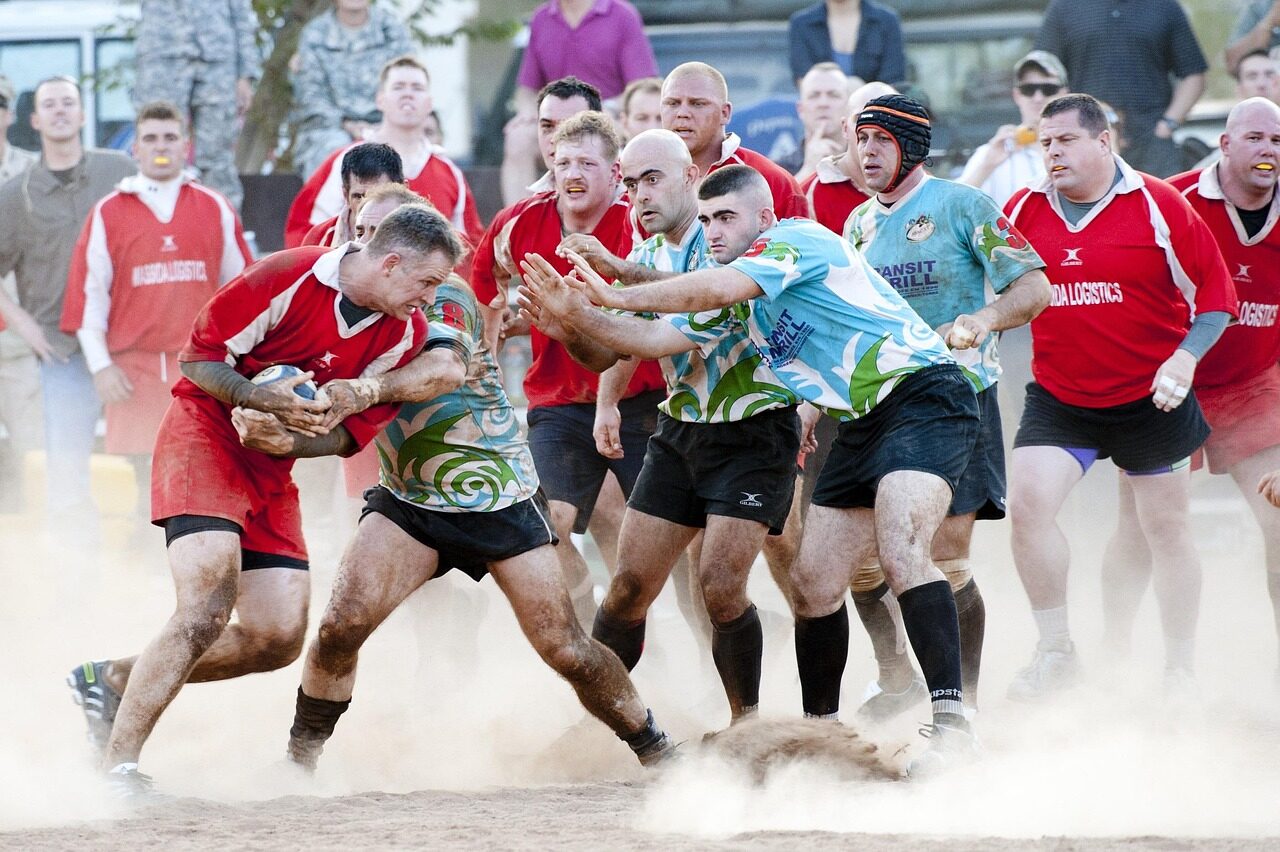
Above: Photo: 12019 / Pixabay.
I own a rugby shirt that is older than some of my colleagues. It is navy and cream, in a cotton so thick it could stop a cold draught, and I bought it in 2009 for £45 from a shop in Cardiff that no longer exists. It has lasted, which is more than I can say for most of what I bought in the years since.
This autumn, I have started to see it everywhere. Not mine, naturally, but the thing itself: the heavyweight, hooped, flat-collared rugby shirt, rendered in a dozen colourways and sold, in some cases, for ten times what I paid. I think it is the best thing to happen to casual dressing in years, and I want to explain why.
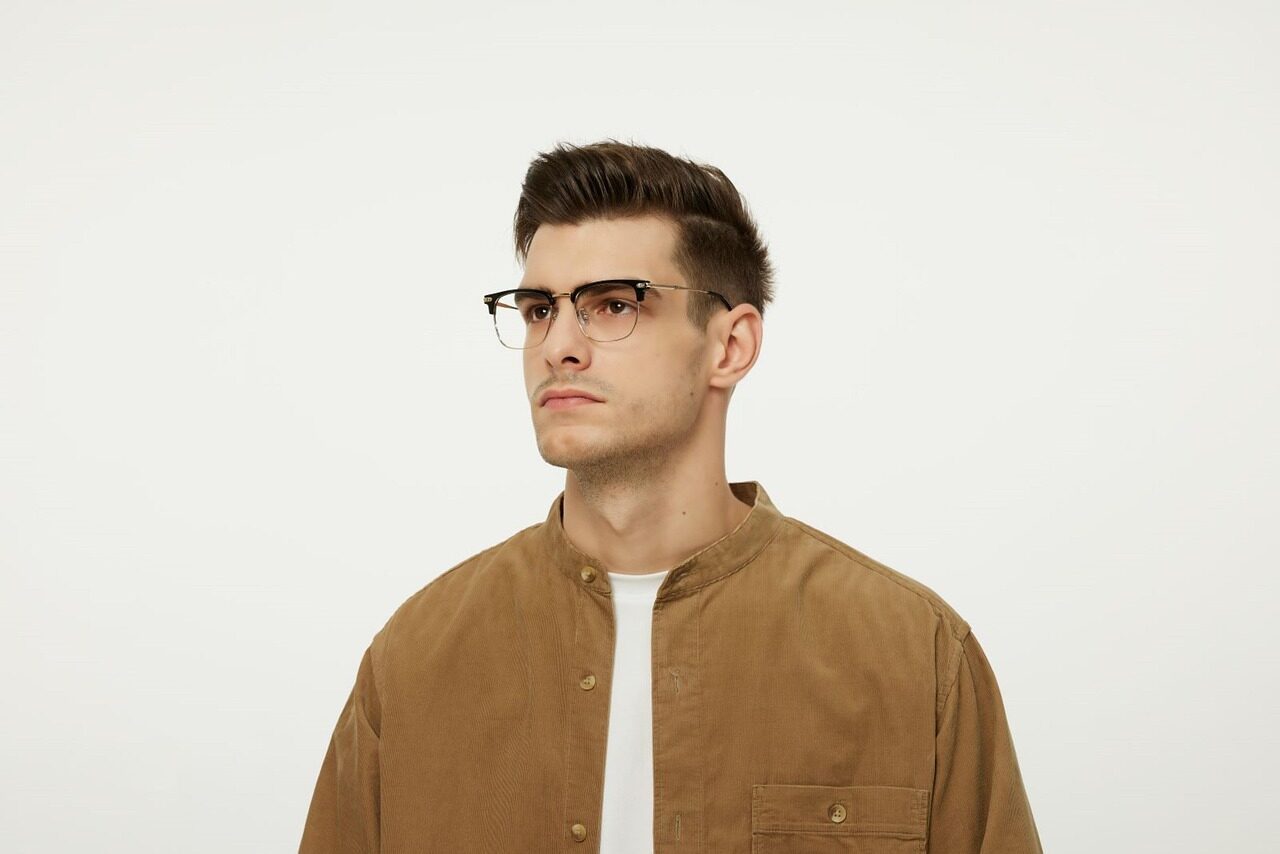
Above: Photo: GlassesShop / Pixabay.
A shirt built to be abused
The original rugby jersey was made to survive being grabbed. Late-19th-century players at English public schools needed something that would not tear when an opponent hauled on it, so makers used a coarse, tightly woven cotton drill and a stiff twill collar that would not flap in the face. The rubberised buttons, a later addition, were designed to avoid injuring a hand.
The modern version retains the weight. A proper one runs between 280 and 340 grams per square metre, roughly twice the density of a standard polo shirt. It hangs rather than clings. It softens with washing in a way that thin jersey never does.
“It’s the closest thing menswear has to a cast-iron pan,” says Torvald Brenneck, who designs for a small Copenhagen label called Brenneck Hald. “The more you use it, the better it becomes.”
His shirts, made in a family-run mill outside Porto, sell for £135. He says the first run of 600 sold out in nine days.
What it does that a polo cannot
The polo shirt is a polite garment. It asks nothing of you and gives little in return. The rugby shirt, by contrast, has structure. The collar frames the neck. The broad stripe adds a line across the chest that flatters a narrow frame and disguises a soft middle.
It is also warmer, which matters in November. Under a wax jacket or a waxed-cotton overshirt, it does the work of a light jumper without the bulk. Worn alone with dark selvedge denim and brown boots, it looks considered in a way a hoodie never will.
“It is the only casual shirt I own that looks better the more it has been through.”
Pitfalls
I should be honest about where it goes wrong. Cheap versions, in thin jersey with printed stripes, are a travesty. Stripes should be knitted in, not printed on; check the inside of the shirt for matching yarn colours. If the collar droops after one wash, the shirt has failed.
Colour matters too. Avoid anything with a club crest or sponsor logos unless you have played for the club. The best rugby shirts now are plain and bold: forest and ecru, burgundy and navy, black and grey. A single contrast stripe is better than five.
Size is the other trap. A rugby shirt should skim the body, not cling to it. Buy it so that the shoulder seam sits on the bone and the hem reaches the belt line; it will shrink slightly, about 2 to 3 per cent, after the first wash.
The wider argument
I am wary, as always, of declaring trends. The rugby shirt may be a passing enthusiasm. But the reasons for its return are not trivial. After a decade of stretch fabrics and performance wear, men are choosing clothes with weight, texture and some history. They want things that feel like they were made.
That instinct is a healthy one. It is why heritage boots sell, why raw denim endures, and why a 340gsm cotton shirt in a Danish shop can outsell a hoodie at twice the price.
Buy one this winter. Wear it hard, wash it often, and in a decade you will be writing your own column about it.
Tabitha covers everyday menswear, footwear and the dress codes of modern offices, and previously worked on a regional fashion magazine. She is based in Bristol.
More from TabithaThe Sunday Shine
One letter every Sunday morning: the week in men’s style, the dress code for the days ahead, and one pair of shoes worth polishing.
Correspondence
Opening the post…